

Performance, flexibility and transitions, your major challenges for industrial competitiveness
To meet the technological challenges of manufacturers, IRT Jules Verne focuses its research on three major issues of industrial competitiveness: performance, flexibility and business transitions.
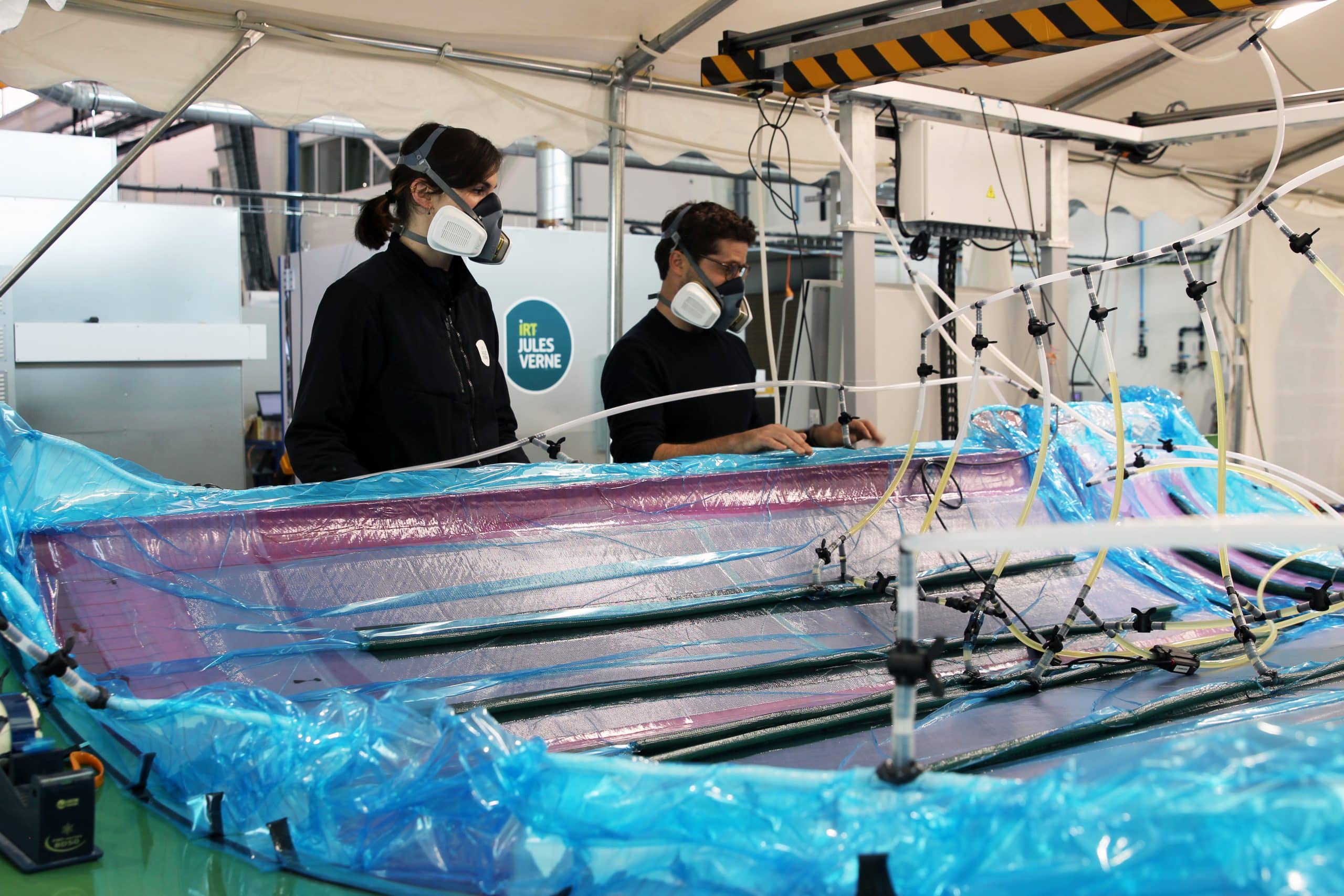
- Part and process performance
- Process flexibility and the deployment of robots in industry
- Environmental transition of industry, necessary to meet the challenges of our society
- Digital transition of industry, towards more digital solutions
Process and part performance, at the heart of industrial competitiveness
Designing better, producing faster, controlling at a lower cost: industrial performance is at stake at every stage of the manufacturing cycle.
- Design parts by integrating process constraints
- Improve the performance (cost/throughput) of manufacturing processes for complex structures
- Reduce control costs in production and maintenance
- Monitor the production tool to better control the manufacturing processes and eventually diagnose the quality of the products
- Facilitate decision-making by providing qualified information
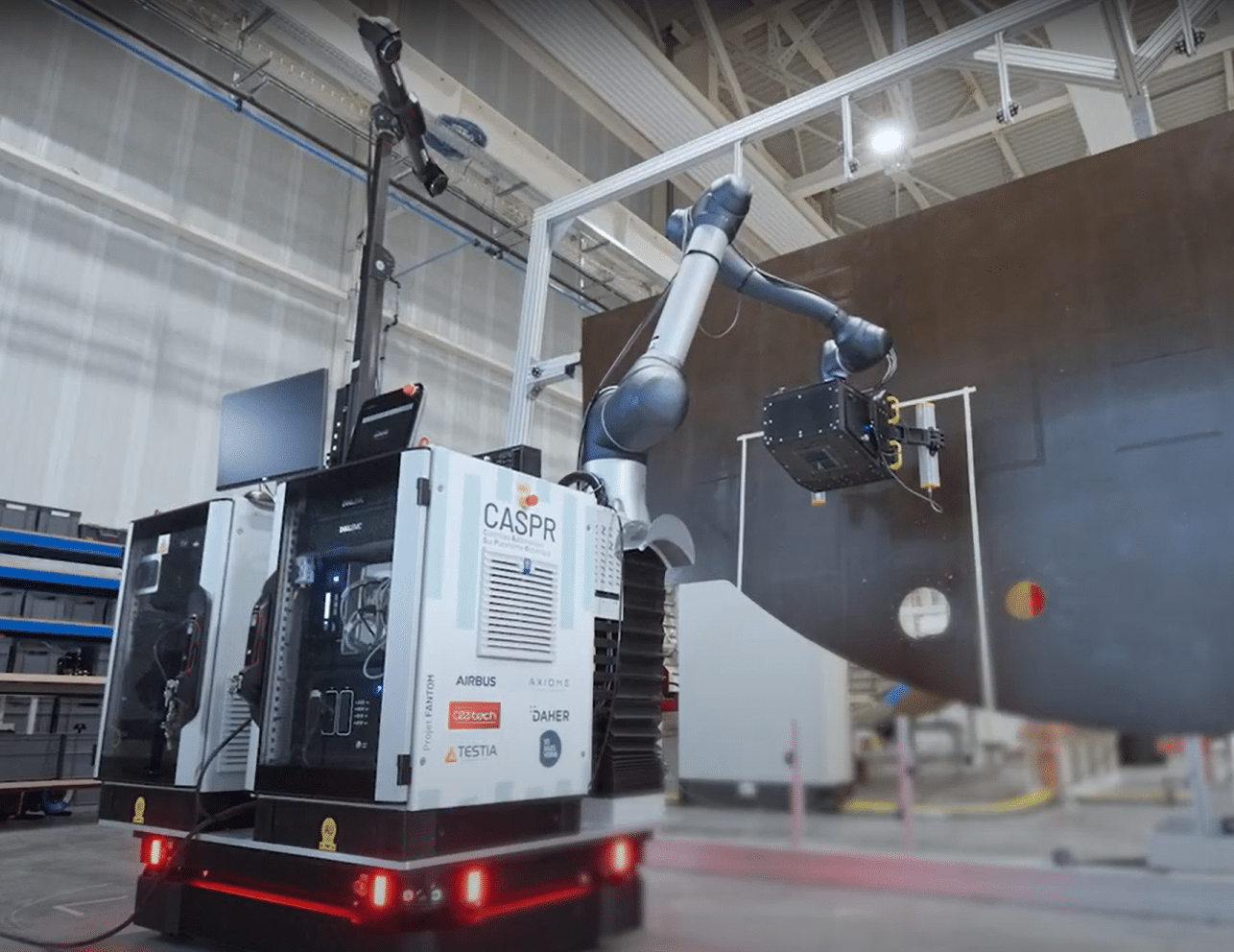
Production flexibility for a competitive industry
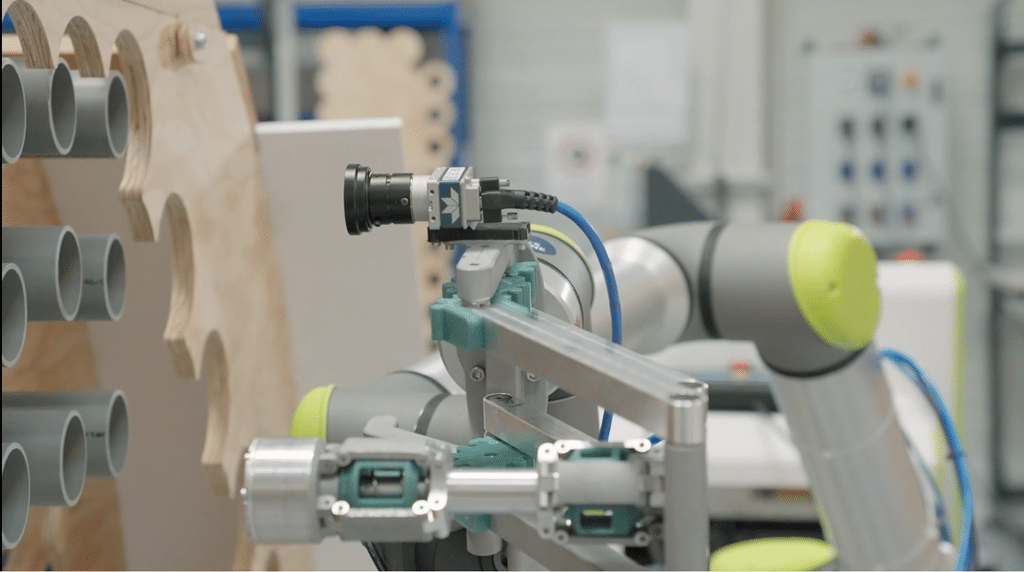
As industrial environments become more complex, factories need to become more agile.
- Develop flexible, agile and reconfigurable processes
- Optimize the deployment of robots in a complex industrial environment
Industrial, environmental and digital transitions
Sobriety, sustainability, speed of innovation: French factories must transform themselves without losing competitiveness.
- Limit the environmental impact of manufacturing processes
- Reduce process development time & cost
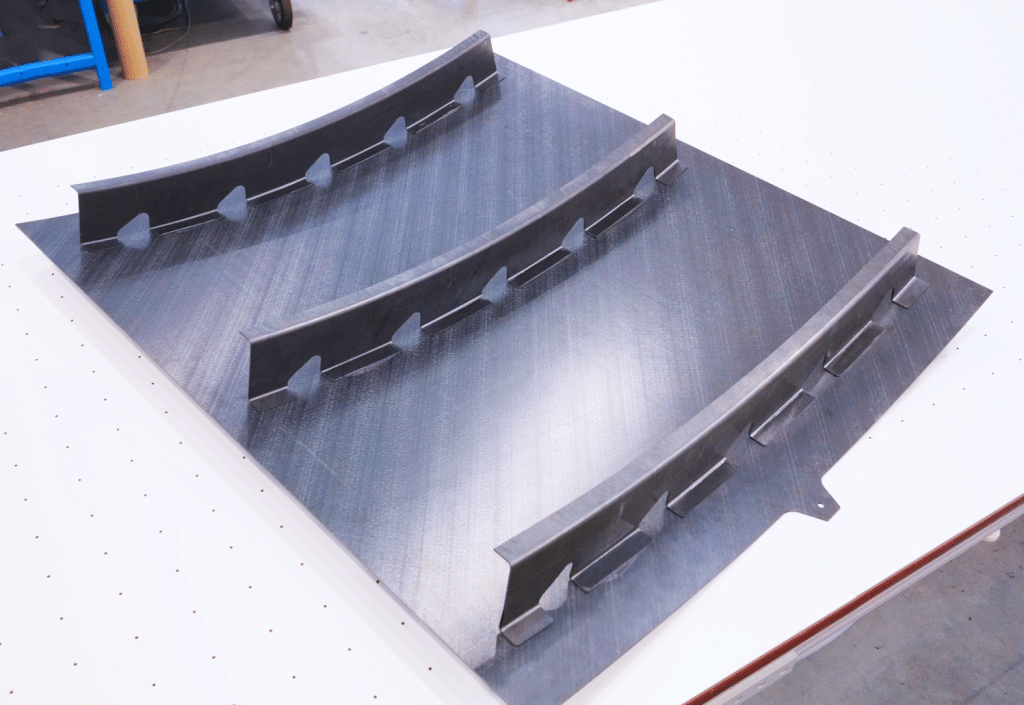
Challenges common to 6 strategic French industrial sectors
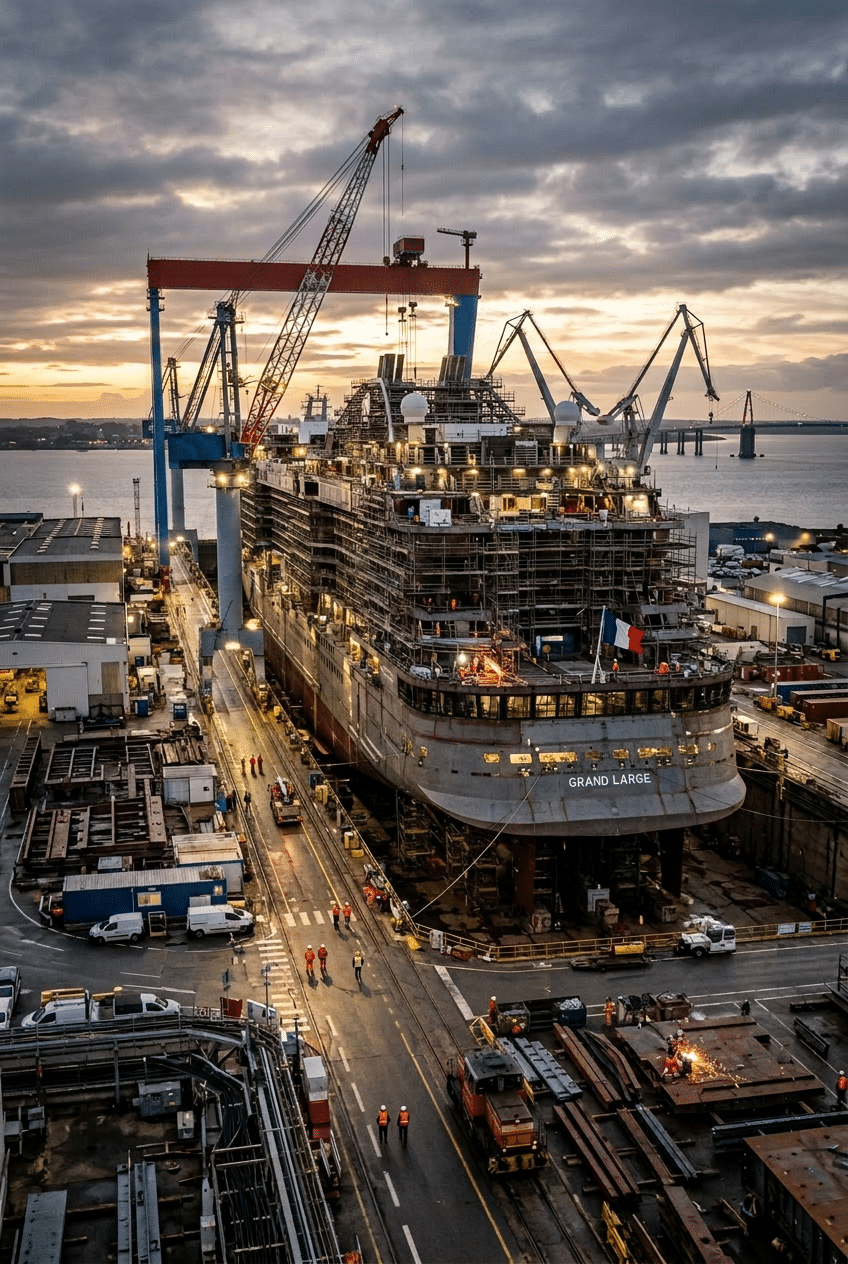
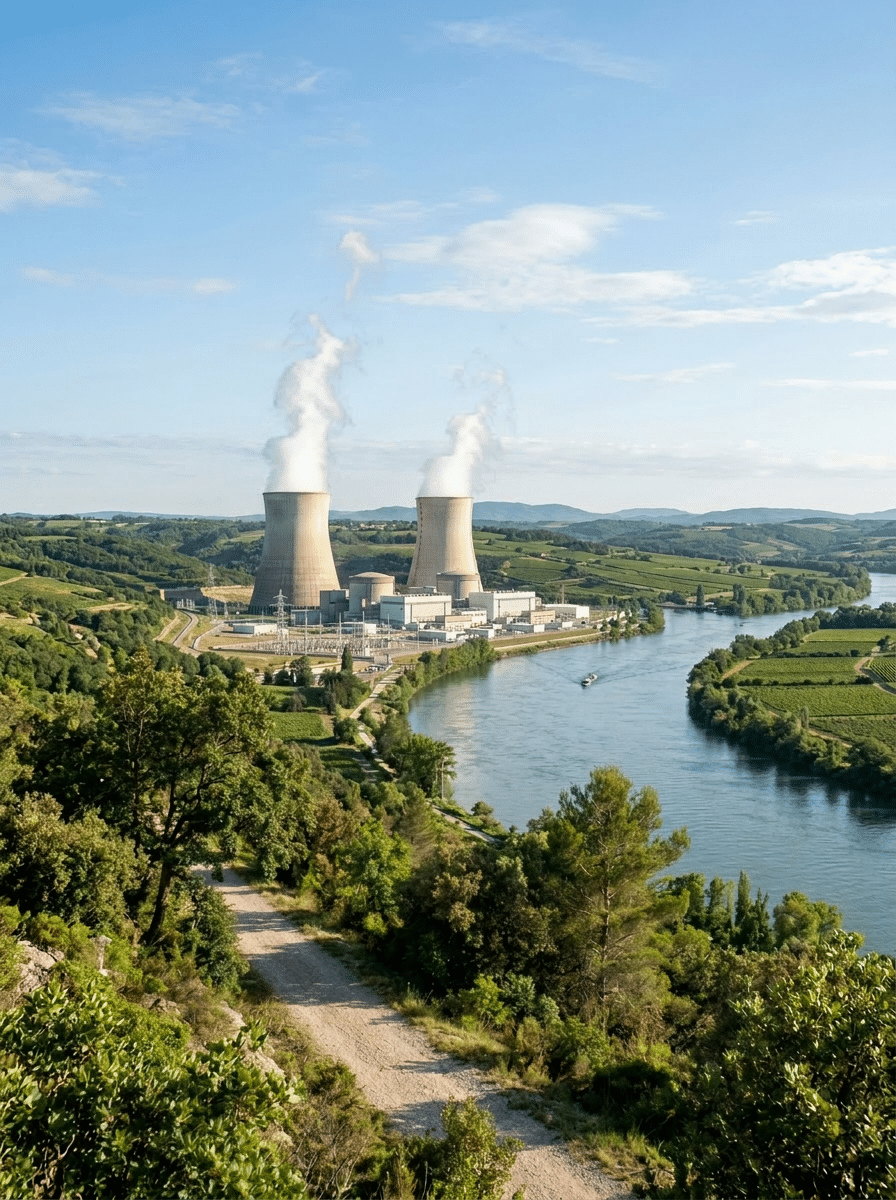
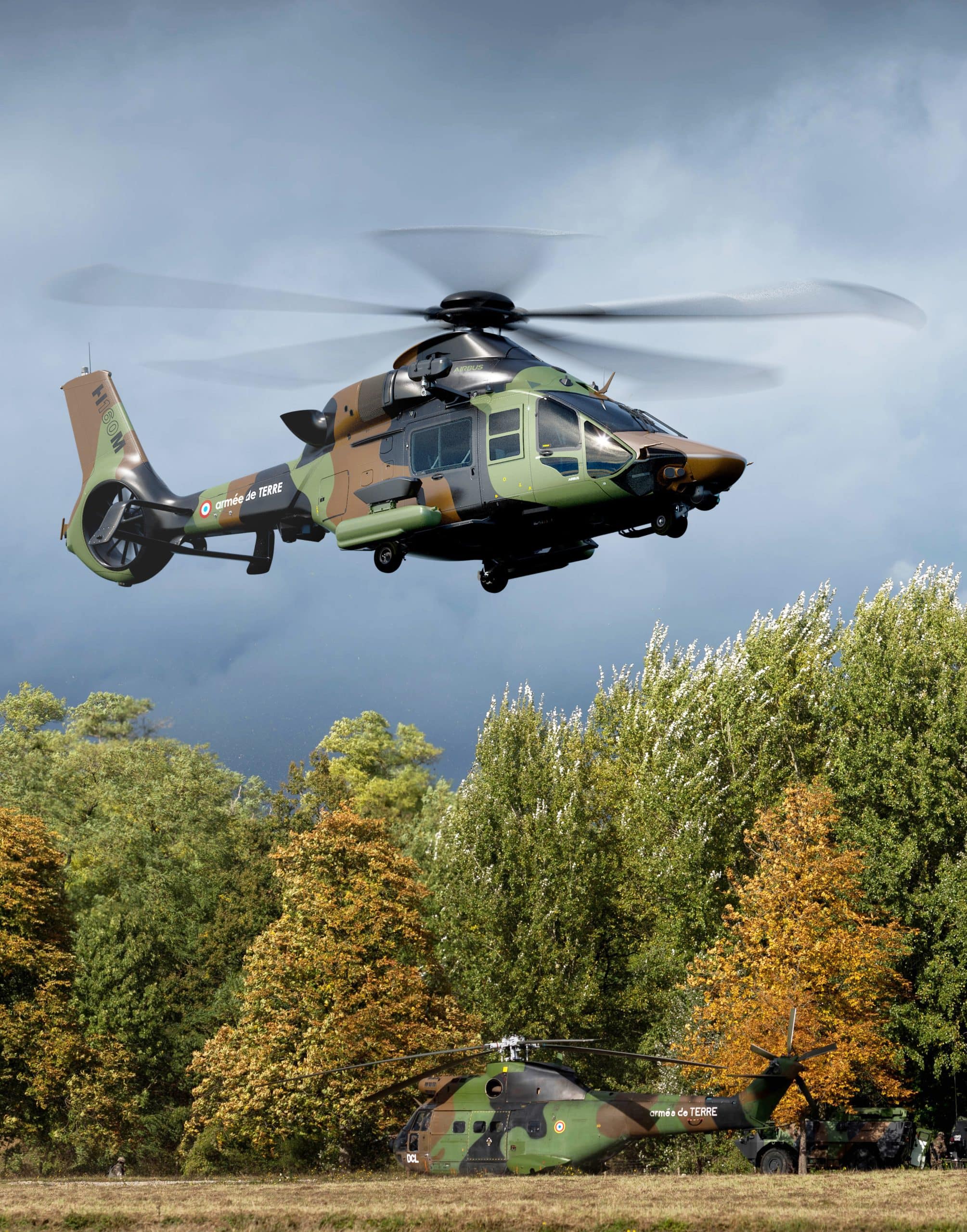
This is what makes IRT Jules Verne unique: its ability to bring together the needs of seemingly very different sectors—aeronautics, naval, energy, defense, rail, and construction—to identify common issues and cross-cutting technological challenges.
This cross-fertilization approach makes it possible to pool research efforts and accelerate the transfer of high-impact solutions from one sector to another.



An applied research tailored to your industrial challenges
IRT Jules Verne's technological roadmap directly address the challenges of performance, flexibility and transitions of manufacturers. Our research is based on 3 major R&T areas: integrated product/process design, process innovation, and flexible and intelligent production systems. The institute conducts applied research, designed to go as far as technology transfer in the factory.
The institute particularly explores Digital for Manufacturing and Manufacturing Sustainability, which questions the environmental impact of industrial activities and the necessary transformation of the sector.