

Composite processes
Based near Nantes, the IRT Jules Verne has, since its creation in 2012, developed outstanding expertise in the manufacturing processes for composite parts and structures.
As the core activity that led to its creation, the institute’s expertise in composite materials processes is now recognised at both national and European levels. IRT Jules Verne is also recognised as a key player in the field within international networks, notably JEC World, which has on several occasions recognised the groundbreaking technological innovations developed at the institute.
With a multi-sector technological research team dedicated to composite materials and processes, IRT Jules Verne leads collaborative national and European R&D projects and provides R&D services to address industrial performance challenges, particularly those relating to the manufacture of complex and large-scale structures.
The R&D activities combine the development of innovative processes with product design in order to optimise production costs, meet production rate targets and reduce environmental impact. They cover thermoplastic and thermosetting composite materials, from preforming and shaping through to assembly.
Linking up with IRT Jules Verne’s expertise in modelling and simulation, robotics and process monitoring, the team develops comprehensive solutions, from technical and economic feasibility studies through to full-scale industrial demonstrators.
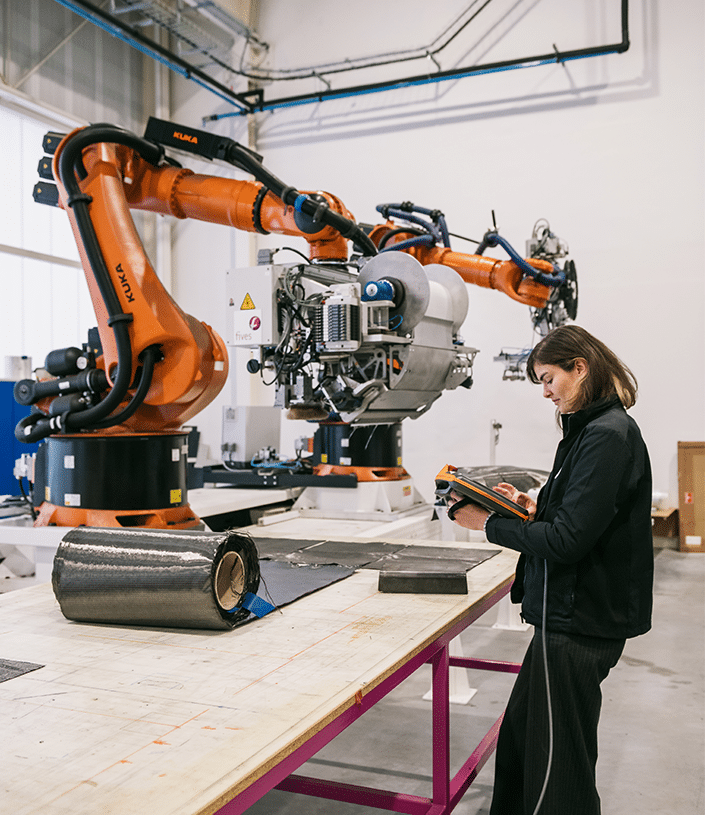
- Large-scale automated preforming
- Liquid impregnation processes: thick infusion, RTM injection and isothermal CRTM
- Forming processes: thermocompression, stamping/overmolding and non-autoclave consolidation
- Welding of TP composites
Accelerating innovation in composite materials manufacturing processes to balance cost, throughput and performance
Composite materials offer great potential for designing lightweight, high-performance structures suited to complex geometries. Their industrial deployment depends on the ability to ensure process reliability, reduce cycle times and control production costs
Processes for composite materials must also become more flexible in order to adapt to the diversity of parts, materials, production volumes and production rates. Integrating the process from the earliest stages of product design makes it possible to identify the architectures, materials, tooling and manufacturing processes that offer the best technical and economic performance.
In addition to these economic challenges, there is a need to reduce energy consumption, minimise waste and production consumables, and develop solutions for reuse or recycling
To maximize the industrial impact of its research, our team is building relationships with the professional and scientific community in the field of composites:
At IRT Jules Verne, the R&D work carried out by the Composite Processes and Materials team addresses the following challenges:
- Increasing the production rates of preforming, injection moulding, forming and assembly.
- Reducing cycle times and recurring production costs.
- Manufacturing complex, functional parts that are thick and/or large in size.
- Improving process reliability and ensuring the geometric quality and material integrity of parts.
- Developing flexible, automated and reconfigurable processes.
- To reduce material usage, scrap, production consumables and energy requirements.
- To facilitate the reuse of scrap and the use of recycled or bio-based materials.
- To develop robust assembly solutions for composite and multi-material structures.
Composite materials, parts, and structures studied at the IRT Jules Verne
- Thermoplastic matrix composites, including those with a high melting point (400°C)
- Reactive thermosetting matrix composites (epoxies at room temperature or high temperatures of 170°C, etc.)
- Reinforcements made from carbon fibre, glass fibre, aramids and natural fibres
- Large-scale, heavily loaded composite structures
- Complex-shaped and functionalised components
- Composite-to-composite assemblies
- Composite-to-metal hybrid assemblies
Our technological activities dedicated to composite materials manufacturing processes
The team’s technology roadmap stems directly from the industrial challenges identified. The technical development of a process is combined with an economic analysis and its improvement through the integration of process requirements into product design, and the optimisation of the design of moulds, tooling and equipment. With the support of other areas of expertise within IRT Jules Verne, these activities also encompass automation, modelling, monitoring and the optimisation of manufacturing parameters.
The R&D projects and services focused on composite material manufacturing processes centre on four key areas:
- large-scale automated preforming
- liquid-phase impregnation processes
- forming and consolidation processes
- welding of thermoplastic composites
Large-scale automated preforming
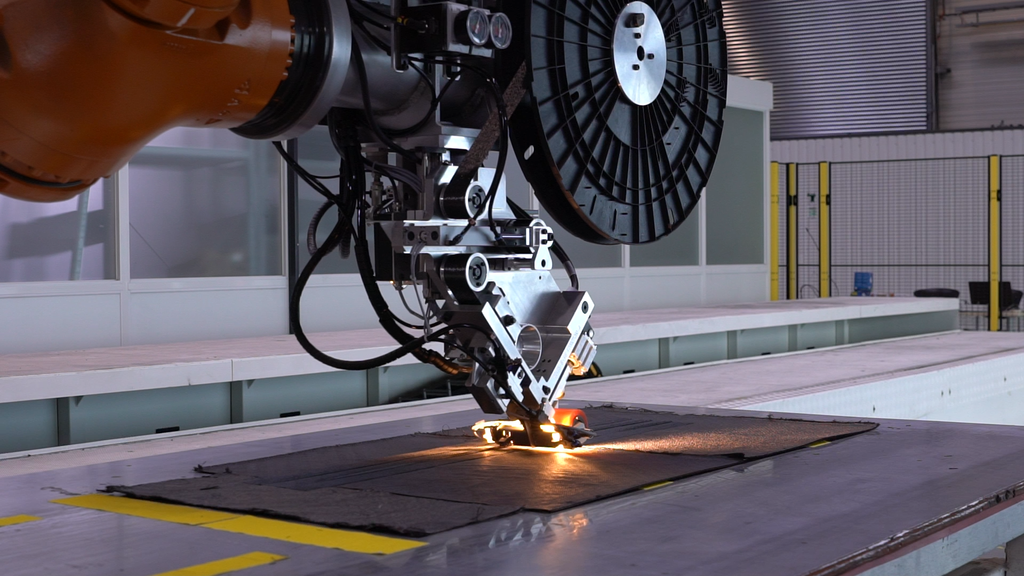
Automated preforming enables the production of complex, large-scale textile preforms with greater speed, repeatability and precision. Mastering the shaping of reinforcements, combined with suitable tooling and production equipment, ensures the geometry of the preforms is correct prior to the injection or consolidation stages.
For manufacturers, automation paves the way for increased production rates and greater robustness and stability in quality, including for structural components that are difficult to handle manually. It also helps to minimise textile waste and facilitates its reintegration into the product or the process.
At IRT Jules Verne, these technologies are based in particular on an automated production line for large-scale textile preforms. They meet the needs of industrial sectors that produce complex, lightweight and large-scale composite structures, such as the aerospace, shipbuilding and wind energy sectors.
Liquid impregnation processes: thick-section infusion, RTM injection and isothermal CRTM
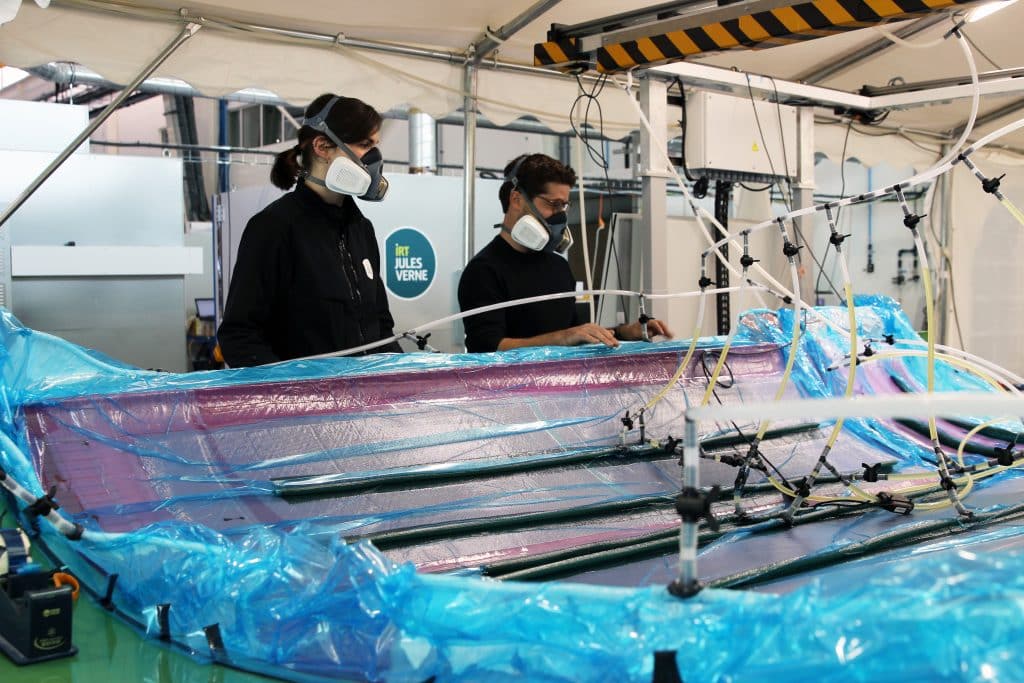
Infusion, RTM injection and isothermal CRTM injection-compression enable the manufacture of complex composite parts, whether thick-walled or large in size, whilst ensuring optimal impregnation of the reinforcements and the final quality of the material.
Tooling design, resin flow modelling and the automation of injection operations all contribute to ensuring reliable part filling. The industrial challenge lies in speeding up the process without compromising the quality of the impregnation and, consequently, the expected performance.
Increasing injection speeds and maintaining a controlled temperature within a closed mould optimise cycle times, reduce consumables and lower recurring production costs. In particular, the isothermal CRTM offers potential for the higher-throughput manufacture of aerospace structural components.
Forming processes: thermocompression, stamping/overmoulding and non-autoclave consolidation
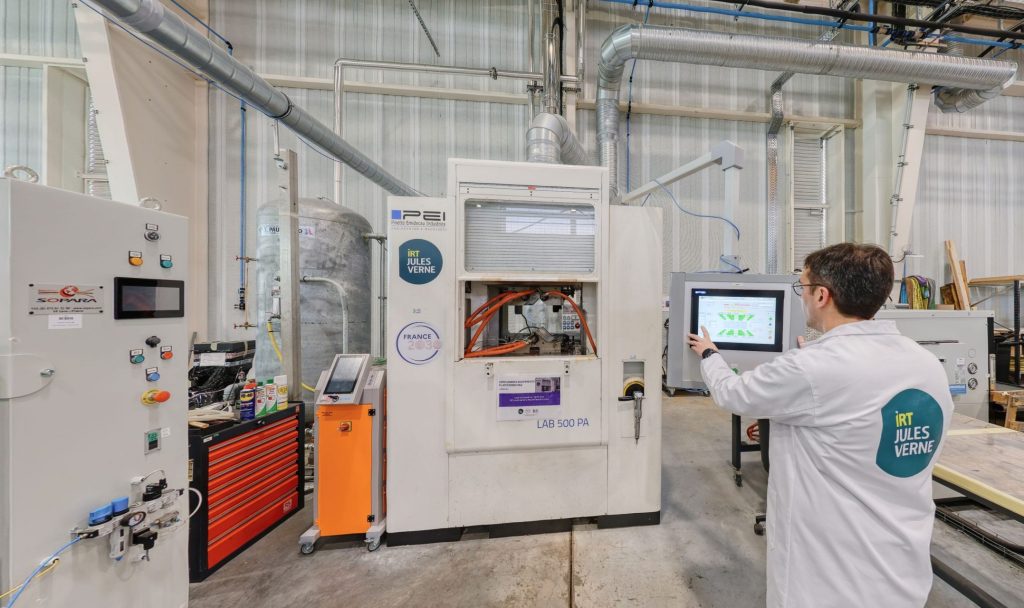
Thermocompression, stamping, overmoulding and non-autoclave consolidation offer suitable solutions for the manufacture of complex, thick or large thermoplastic composite parts.
Control over heat transfer and temperature uniformity enables the material to be heated, formed and then consolidated by cooling under reproducible conditions.
Rapid, controlled heating and cooling systems can thus shorten production cycles and reduce energy consumption whilst ensuring product quality and performance.
Simulating the interactions between the mould and the material also helps to anticipate distortions, improve dimensional accuracy and design tooling based on the part’s actual behaviour. For manufacturers, these technologies reduce the risk of quality defects and facilitate the transition to non-autoclave processes, which may be less restrictive in terms of equipment and energy consumption.
Stamping and overmoulding also make it possible to integrate additional functions and metal inserts during manufacture. This approach can reduce the number of assembly operations required to produce multi-material composite parts.
Thermoplastic composites welding
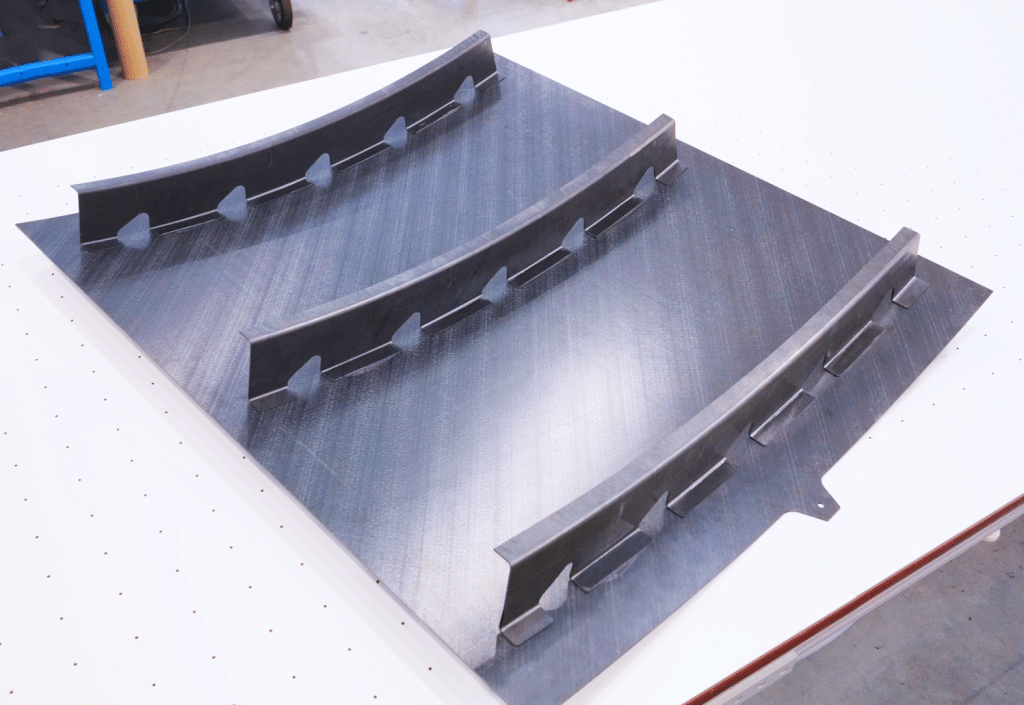
Induction welding and conduction welding enable the joining of thermoplastic composites reinforced with continuous fibres, whilst minimising the need for traditional mechanical fastening solutions.
Control of the heating and cooling cycles, combined with regulation of the pressure to be applied, helps to achieve robust and repeatable welded interfaces.
Multiphysics simulation facilitates the selection of parameters and the design of tooling prior to physical testing, thereby reducing the time required for process development and optimisation.
Monitoring the welding process makes it possible to track key process parameters, detect deviations, correct them and predict the quality of the weld. This data can contribute to process qualification. For manufacturers, this control can ensure production reliability whilst increasing assembly rates.
Dynamic induction welding, in particular, offers potential for the continuous assembly of large-scale aerospace structures, such as thermoplastic fuselage components. Static conduction welding, on the other hand, is suited to the localised assembly of components and sub-assemblies.
The developments carried out by the Composite Materials Processes team at IRT Jules Verne are based on several monitored multi-technology welding platforms (conduction, induction, IR mirror). These include a welding bench capable of accommodating various fixtures, ranging from test specimen size up to demonstrators of around one metre, and a control rack to centralise the management of power supplies, sensors and safety functions, both for the bench fixtures and for the assembly fixtures of a full-scale demonstrator. This structure provides a unique framework for carrying out collaborative projects (France 2030, European programmes), industrial services and demonstrators, whilst establishing an area of activity in which IRT Jules Verne is recognised as a leading player within the French ecosystem.
Our key equipment dedicated to composite processes and materials
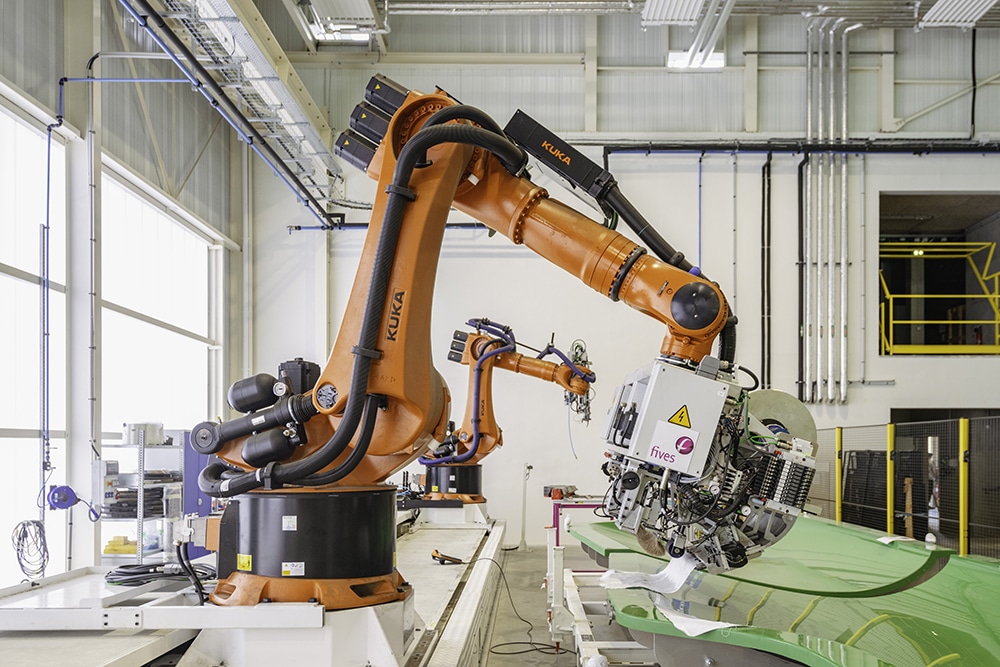 Automated production line for large-scale textile preforms
Discover the equipment
Automated production line for large-scale textile preforms
Discover the equipment
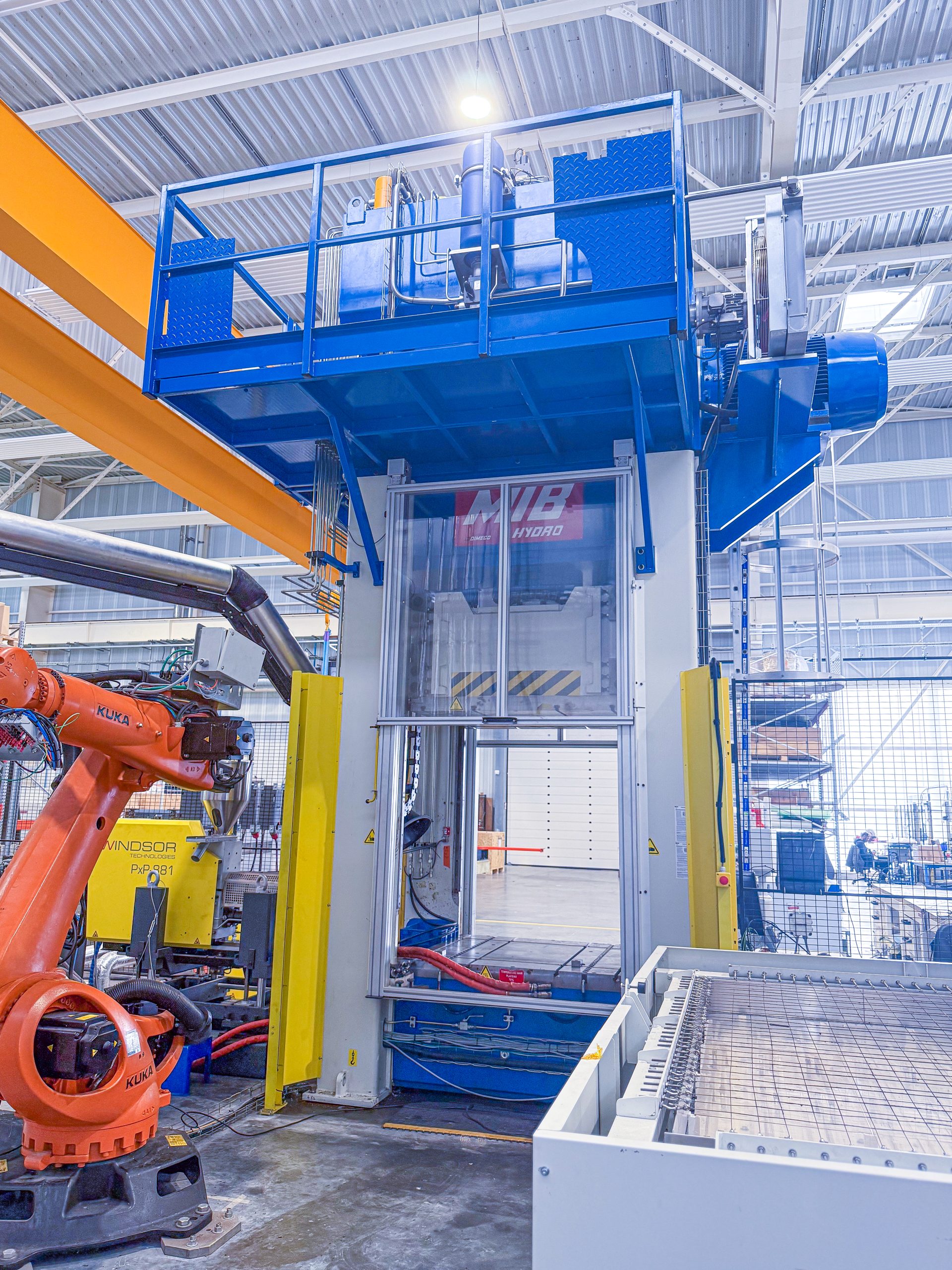 200-metric-tonne robotic vertical press cell coupled with an injection unit and an IR oven
Discover the equipment
200-metric-tonne robotic vertical press cell coupled with an injection unit and an IR oven
Discover the equipment
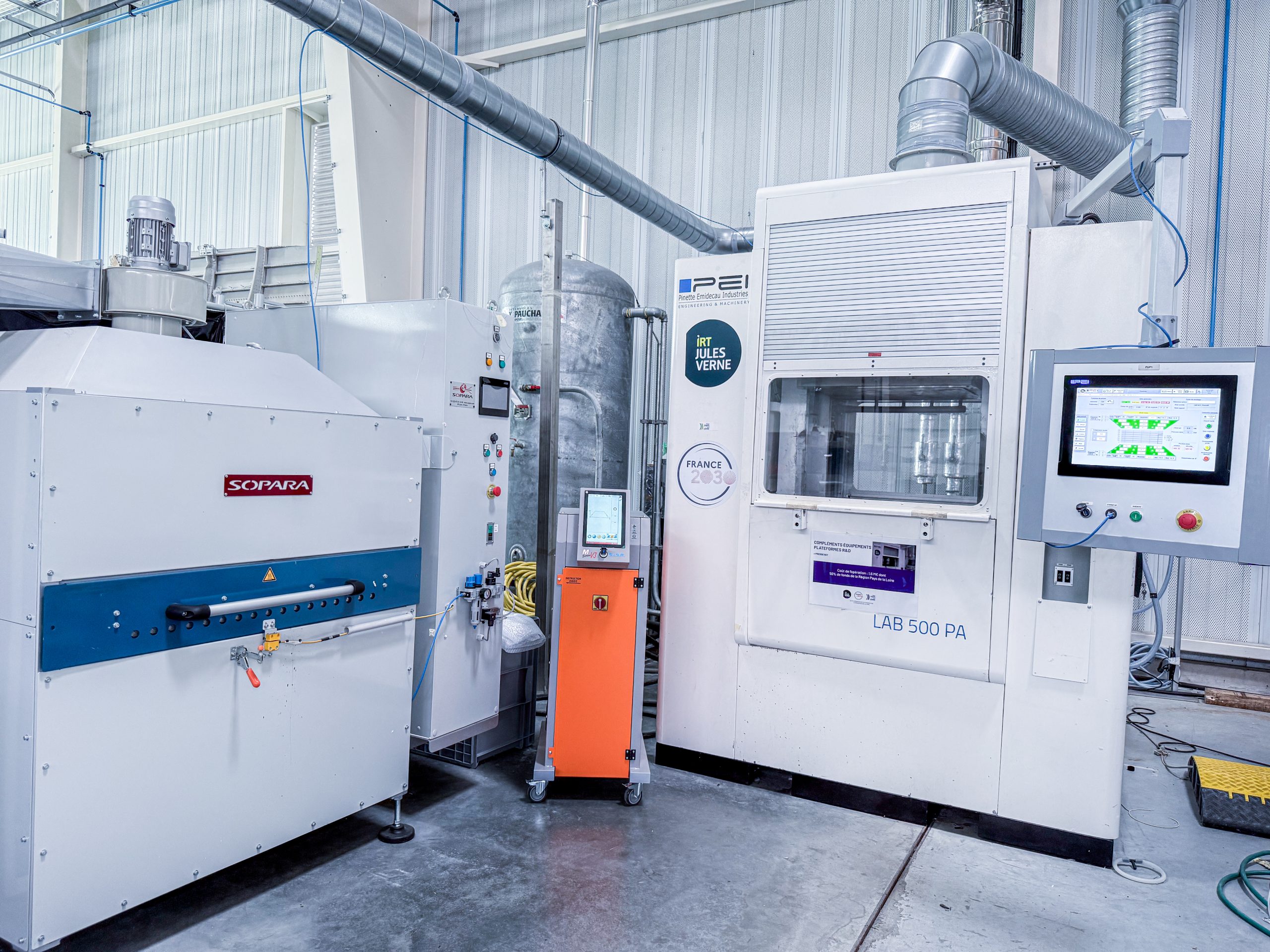 50-metric-tonne press with heated and cooled platen
Discover the equipment
50-metric-tonne press with heated and cooled platen
Discover the equipment
- Automatic cutting and padding machines and TFP (Tailored Fibre Placement)
- 300-litre 2K reactive resin injection machine
- Controlled welding platform: induction, conduction, IR mirror
Take a virtual tour of our technology platforms
Ongoing PERFORM PhD theses focusing on composite processes
-
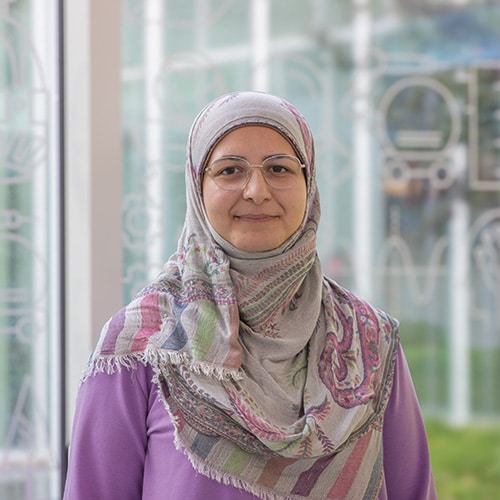 Hawraa BECHER MaSTIC, IREENA, Nantes Université
Control of interfaces during inductive welding, focusing on the heating and cooling phases.
-
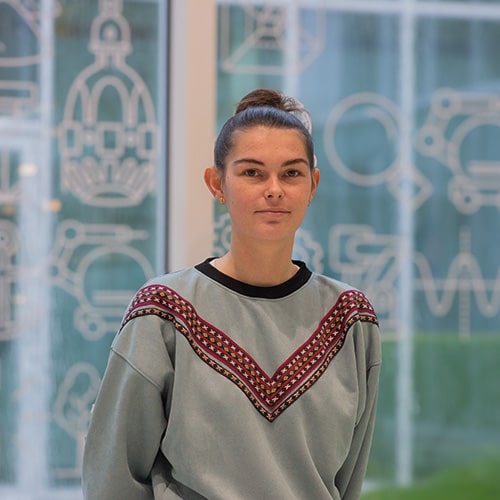 Flavie LARGENTON SMI, LAMPA & I2M, ENSAM Angers
Study of the recyclability of long carbon fibres – contributions to processes and mechanical behaviour.
-
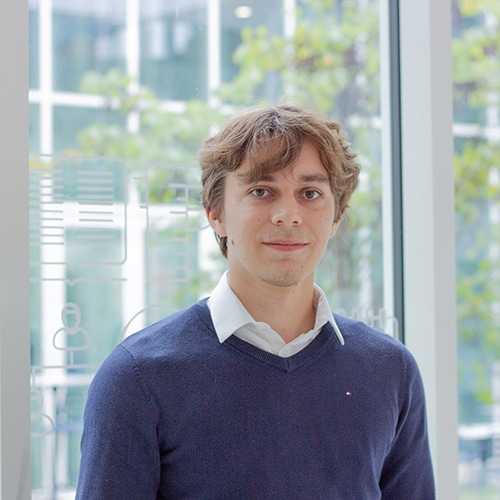 Guillaume LEBRETON Guillaume LEBRETON, SIS, LTeN, Nantes Université & ICAM Ouest
Rapid shaping of vitreous composites and investigation of their reprocessability for aerospace applications.
-
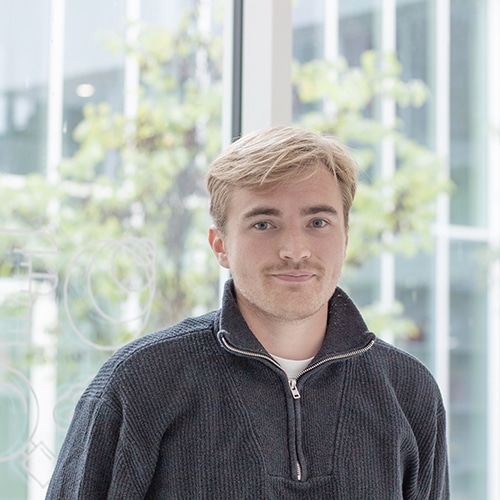 Pierre WAROQUIER SIS, LTeN, Nantes Université
Anisothermic development of adhesion between two thermoplastic composites – Modelling, characterisation and application to industrial processes.
-
 Fatma BENSAAD SIS, LTeN, Nantes Université
Spatio-temporal control of thermal conditions at the boundaries of a composite component with significant thickness and substantial thickness variability, with the aim of controlling the polymerisation kinetics.
Some examples of R&D projects focused on composite processes
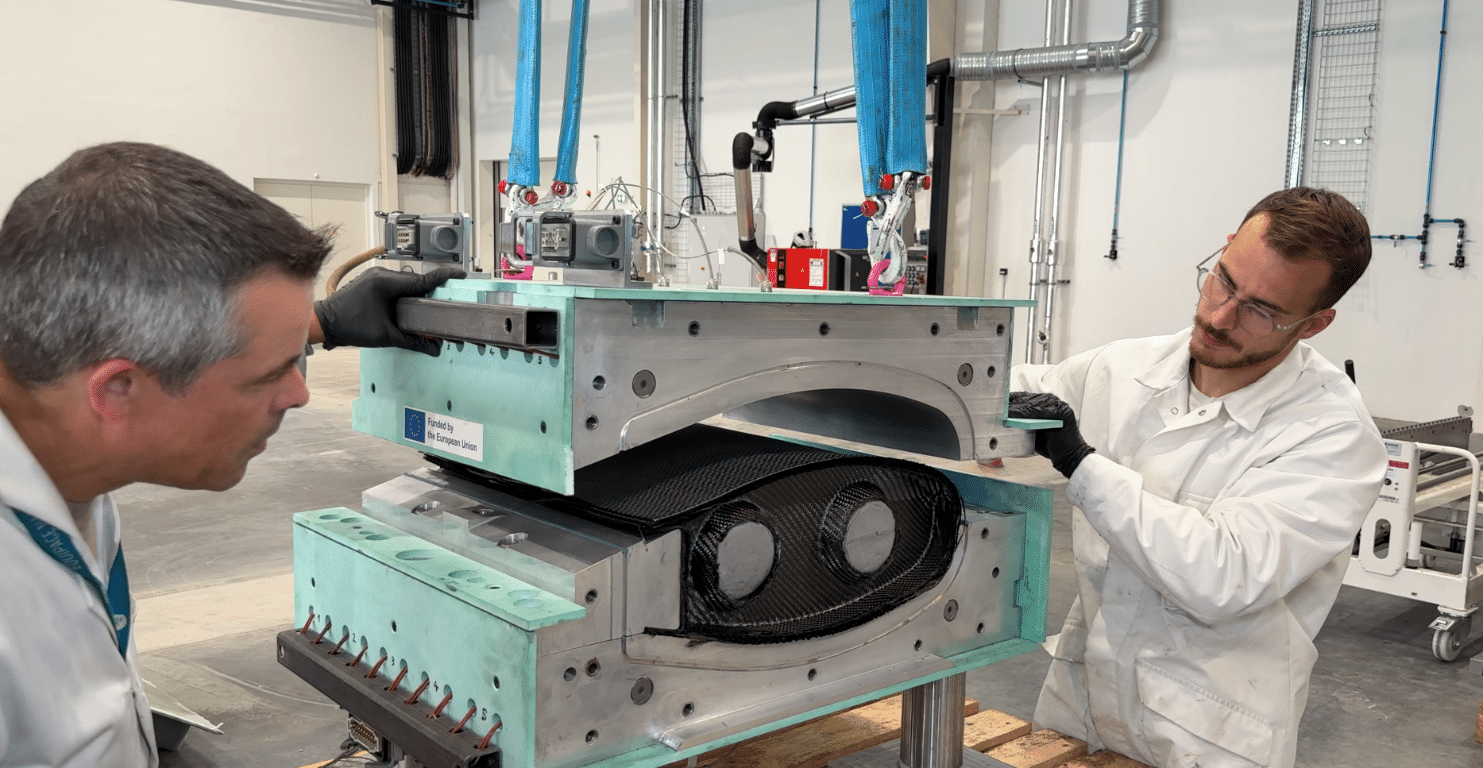 Reducing the environmental footprint of composites with bio-based and recycled materials
The European project SUSPENS has developed bio-based resins, recycled fibres and more sober manufacturing processes to design sustainable composites for the automotive, nautical and aeronautics industries.
Explore the case study
Reducing the environmental footprint of composites with bio-based and recycled materials
The European project SUSPENS has developed bio-based resins, recycled fibres and more sober manufacturing processes to design sustainable composites for the automotive, nautical and aeronautics industries.
Explore the case study
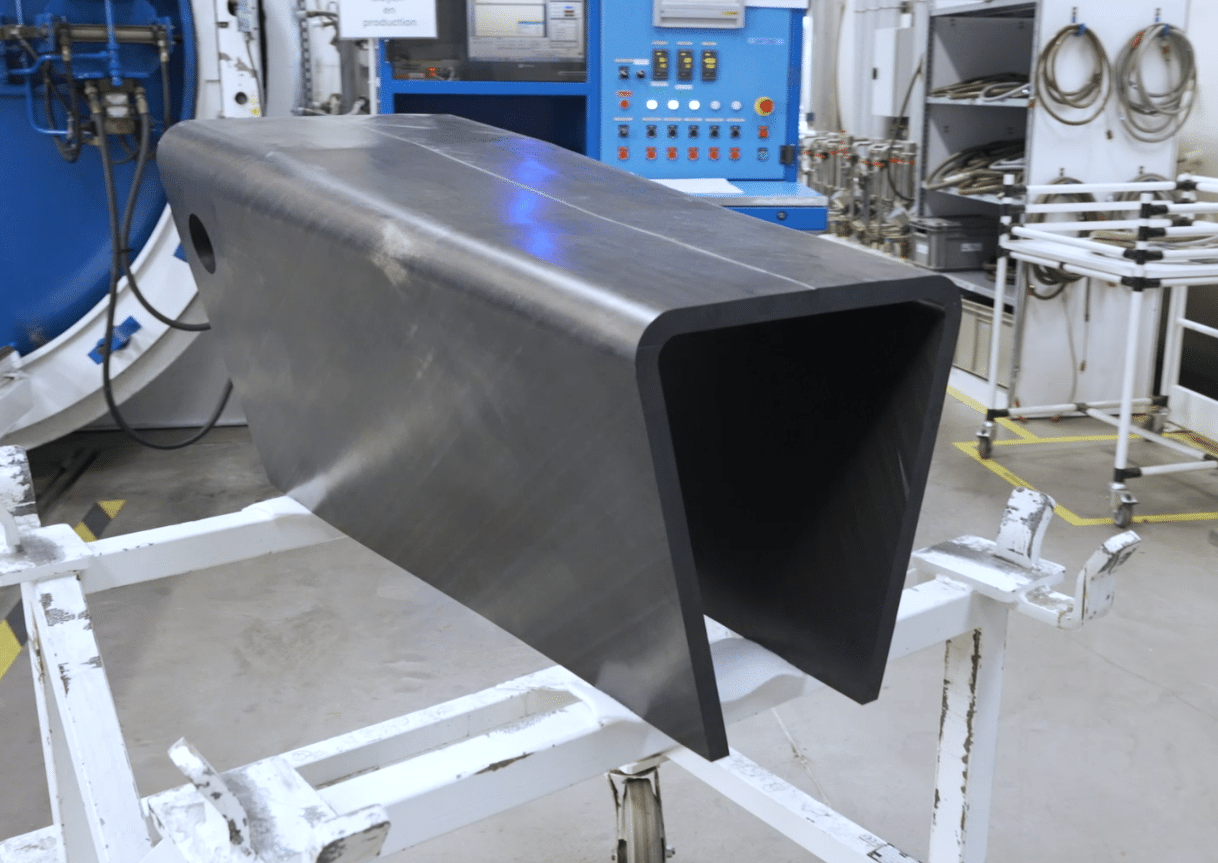 Developing the manufacture of high-thickness thermoplastic composite parts for aeronautics
The MATCH project develops innovative manufacturing, simulation and machining processes to produce high-performance, robust thermoplastic composite parts adapted to the requirements of the aeronautics industry.
Explore the case study
Developing the manufacture of high-thickness thermoplastic composite parts for aeronautics
The MATCH project develops innovative manufacturing, simulation and machining processes to produce high-performance, robust thermoplastic composite parts adapted to the requirements of the aeronautics industry.
Explore the case study
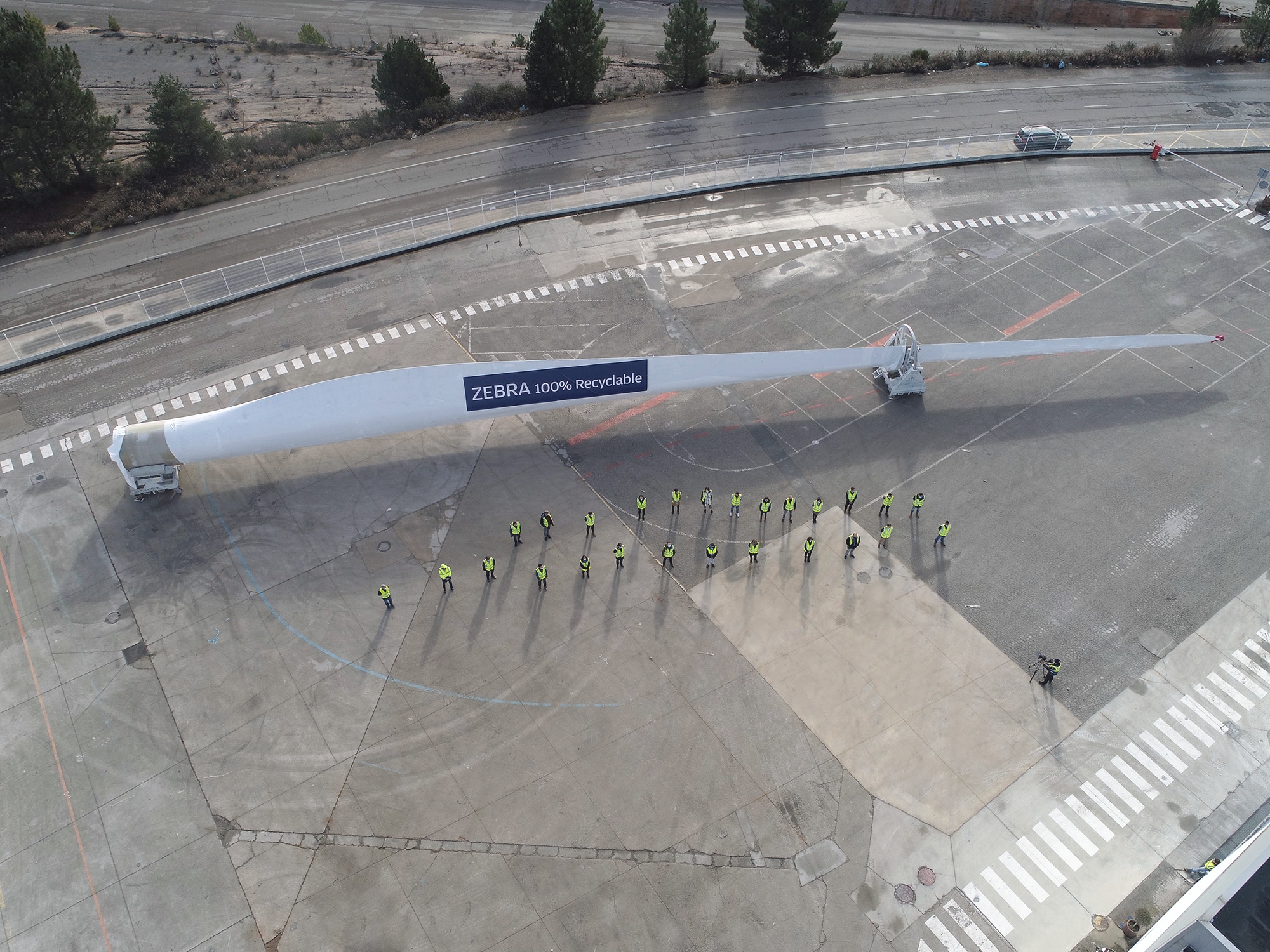 Developing recyclable wind turbine blades using a closed loop
The industrial challenges of the ZEBRA project Wind energy contributes to the energy transition, but the management of blades at the end of their life remains a major challenge. The ZEBRA project seeks to treat production and end-of-life waste while maintaining the performance expected for large blades. The consortium covers the entire value chain, from […]
Explore the case study
Developing recyclable wind turbine blades using a closed loop
The industrial challenges of the ZEBRA project Wind energy contributes to the energy transition, but the management of blades at the end of their life remains a major challenge. The ZEBRA project seeks to treat production and end-of-life waste while maintaining the performance expected for large blades. The consortium covers the entire value chain, from […]
Explore the case study
They trust us









Composites have long since proven their value to French industry. Our goal now is to accelerate their large-scale industrialization across multiple sectors through faster, more robust, more flexible, and more efficient processes. Together with my team, we are working to master the entire manufacturing chain—from preforming to assembly—to reduce costs, increase production rates, and ensure the quality of even the most complex parts.
Our other areas of technological expertise.
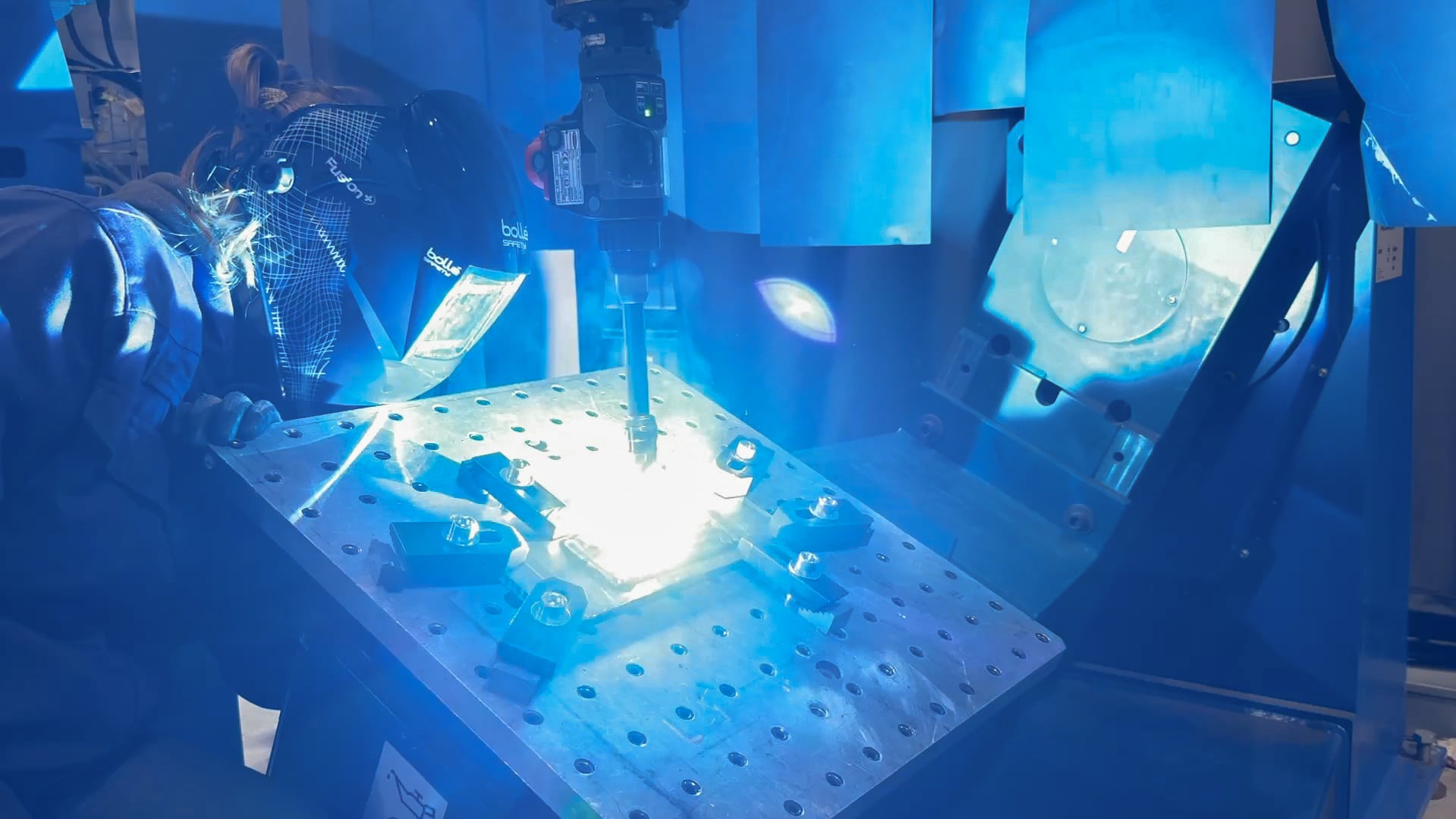
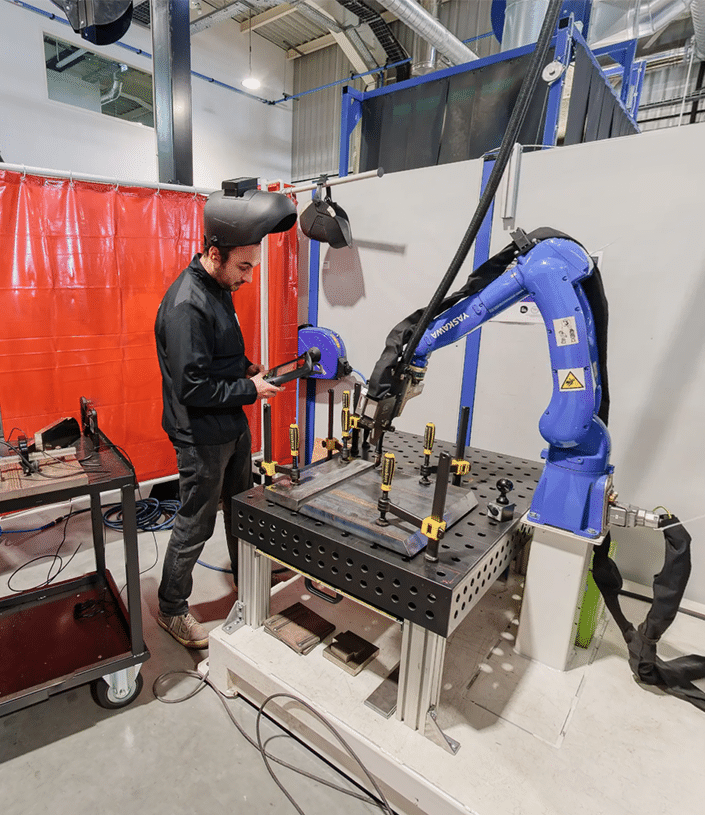
- Metallic Industrialize additive manufacturing technologies (DED-fil and AFSD) and automate welding assembly (Arc and FSW) by improving productivity and quality.
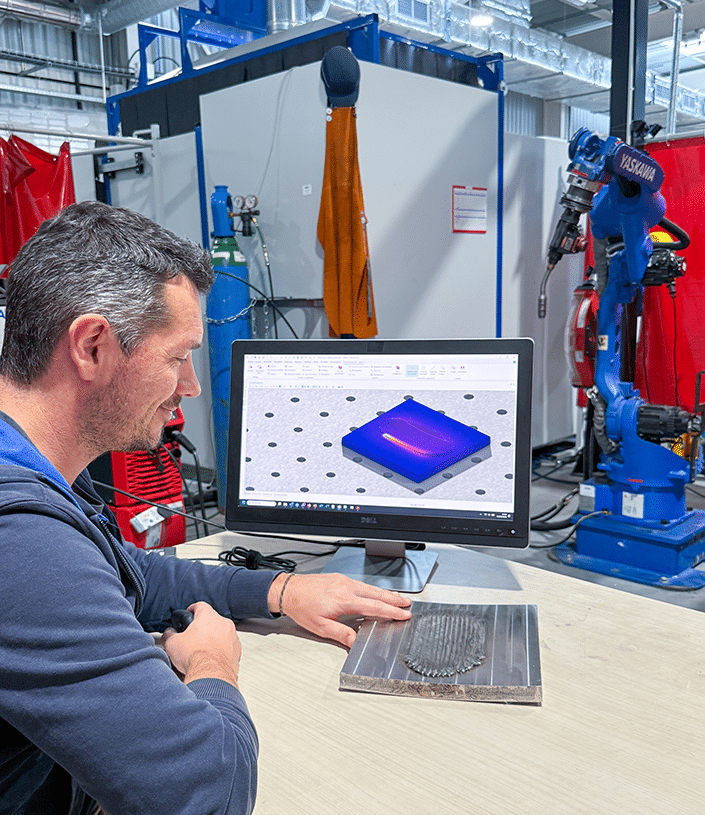
- Modelling & Simulation Providing reliable data to facilitate decision-making and reduce the time and cost of process development
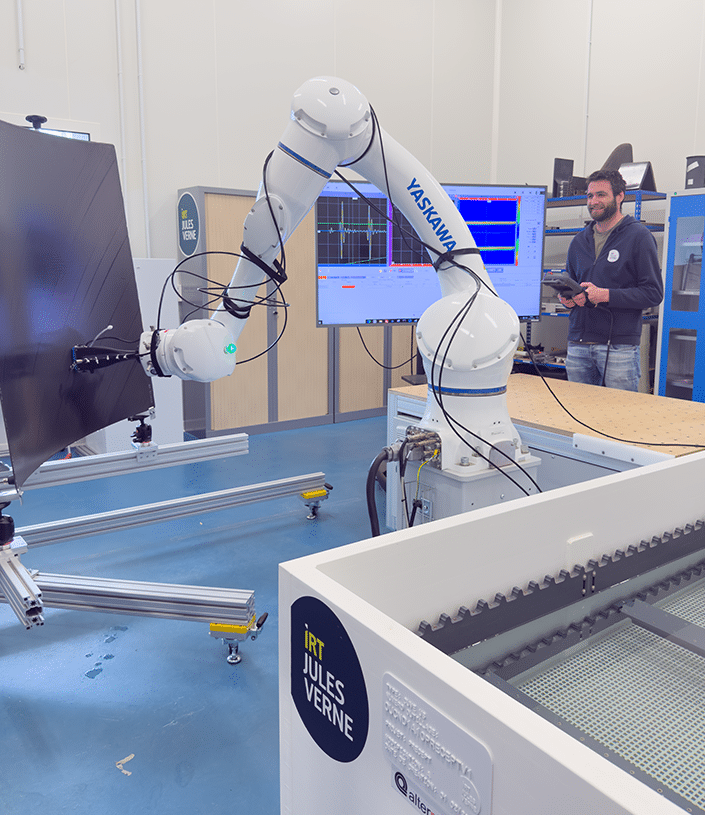
- Monitoring & process control Develop non-destructive testing of critical parts and monitor manufacturing processes to reduce production costs.
- Robotics & Cobotics Automating processes and optimising the deployment of robots in complex industrial environments