Developing recyclable wind turbine blades using a closed loop
The ZEBRA project designs, manufactures and recycles thermoplastic wind turbine blades to reduce their environmental impact and advance the circular economy in wind power.
 With
With
- Launched in September 2020, the ZEBRA (Zero wastE Blade ReseArch) project is led by IRT Jules Verne with Arkema, CANOE, ENGIE, LM Wind Power, Owens Corning and SUEZ. Its ambition is to create the world's first 100% recyclable wind turbine blade and demonstrate the feasibility of complete closed-loop recycling.
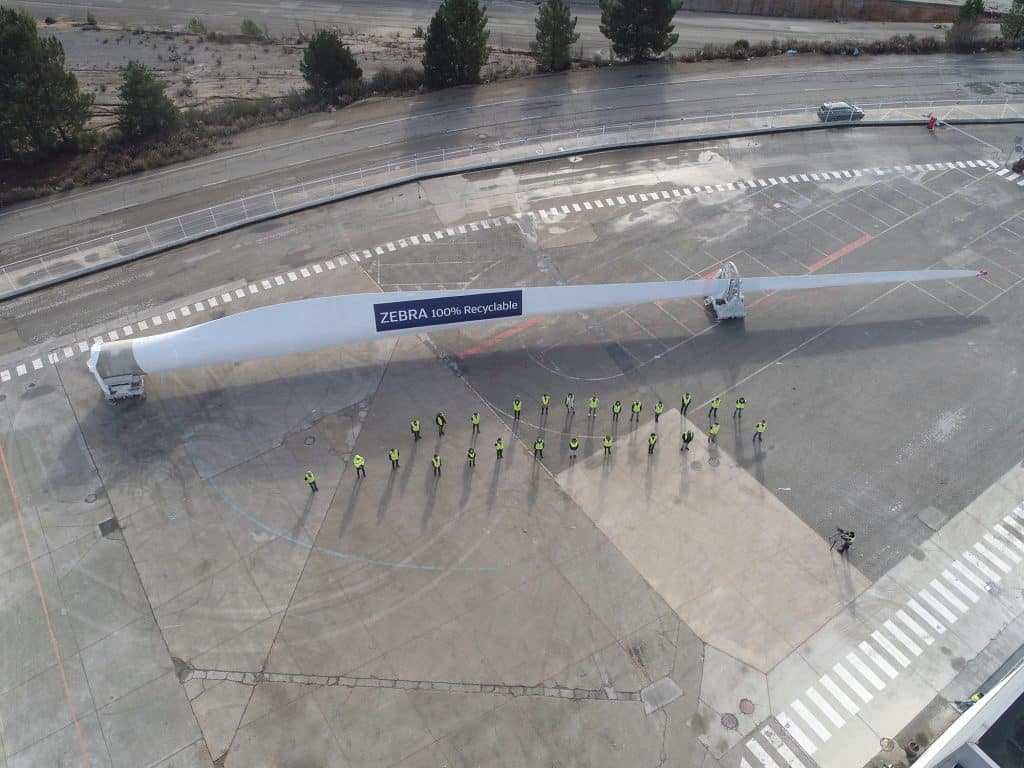
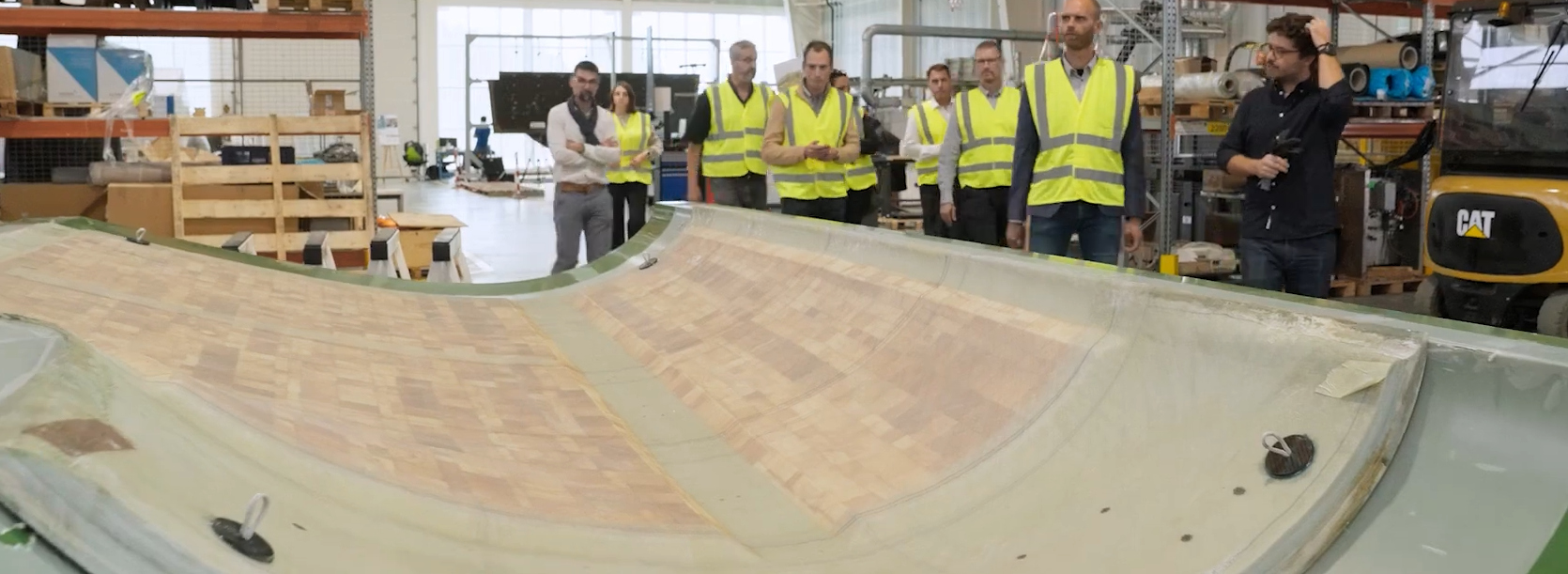
- The consortium designed and manufactured two 1-scale blades, 62 metres and 77 metres, tested and validated according to a qualified methodology. The blades combine Arkema's Elium® thermoplastic resin, a Bostik recycling-compatible adhesive, and Owens Corning's Ultrablade® high-performance glass fabrics.
The industrial challenges of the ZEBRA project
Wind energy contributes to the energy transition, but the management of blades at the end of their life remains a major challenge. The ZEBRA project seeks to treat production and end-of-life waste while maintaining the performance expected for large blades.
- design blades using materials compatible with full recycling;
- recover resin and glass fibres separately for reuse;
- organize a closed loop covering manufacturing, dismantling, shredding, and recycling.
- assess life-cycle environmental benefits;
- demonstrate the economic viability of the recycling system.
The consortium covers the entire value chain, from blade materials and manufacturing to waste treatment and life cycle analysis.
Technologies developed for blade recycling
ZEBRA combines several complementary materials and processes to enable closed-loop recycling of thermoplastic blades:
- use of the thermoplastic resin Elium® and development of an Elium® monomer recycled by thermolysis;
- development by Bostik of an adhesive dedicated to blade assembly, recyclable with Elium® resin;
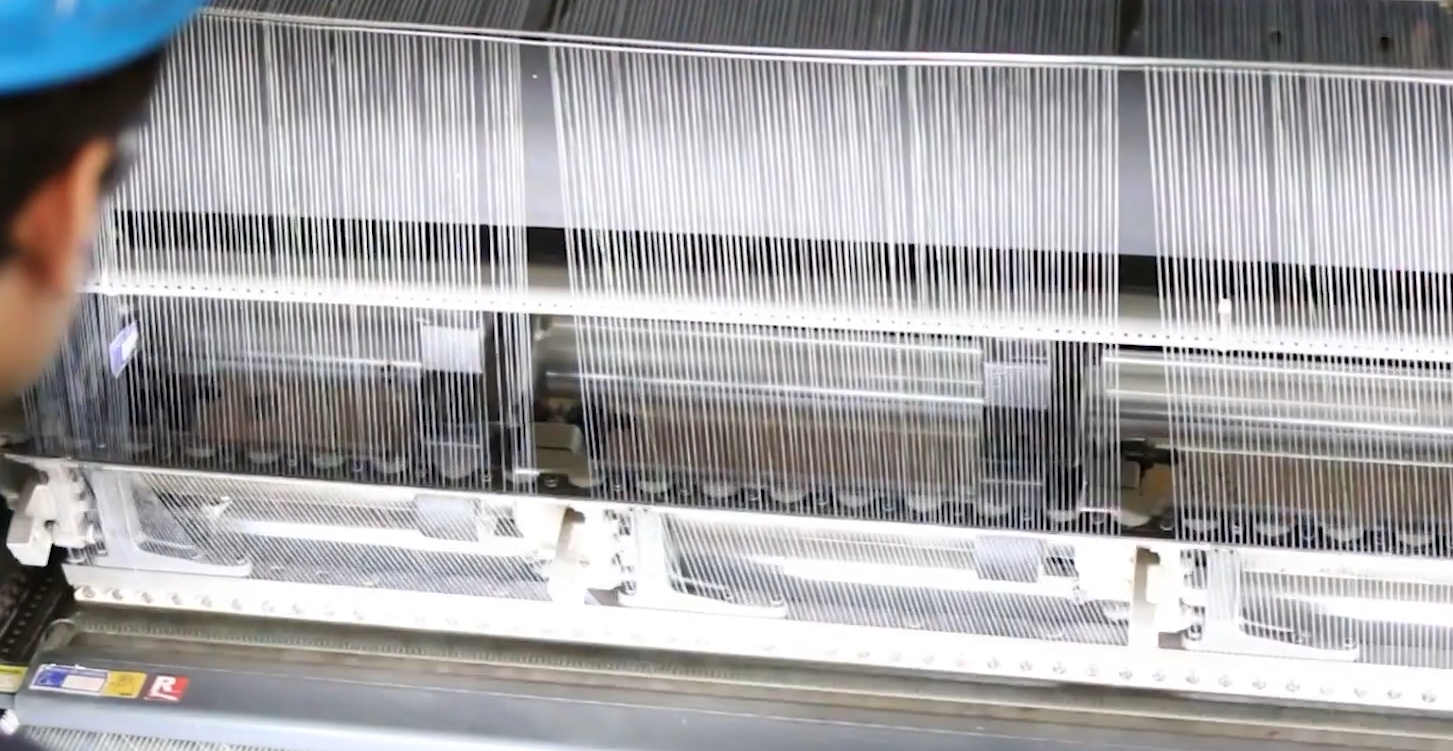
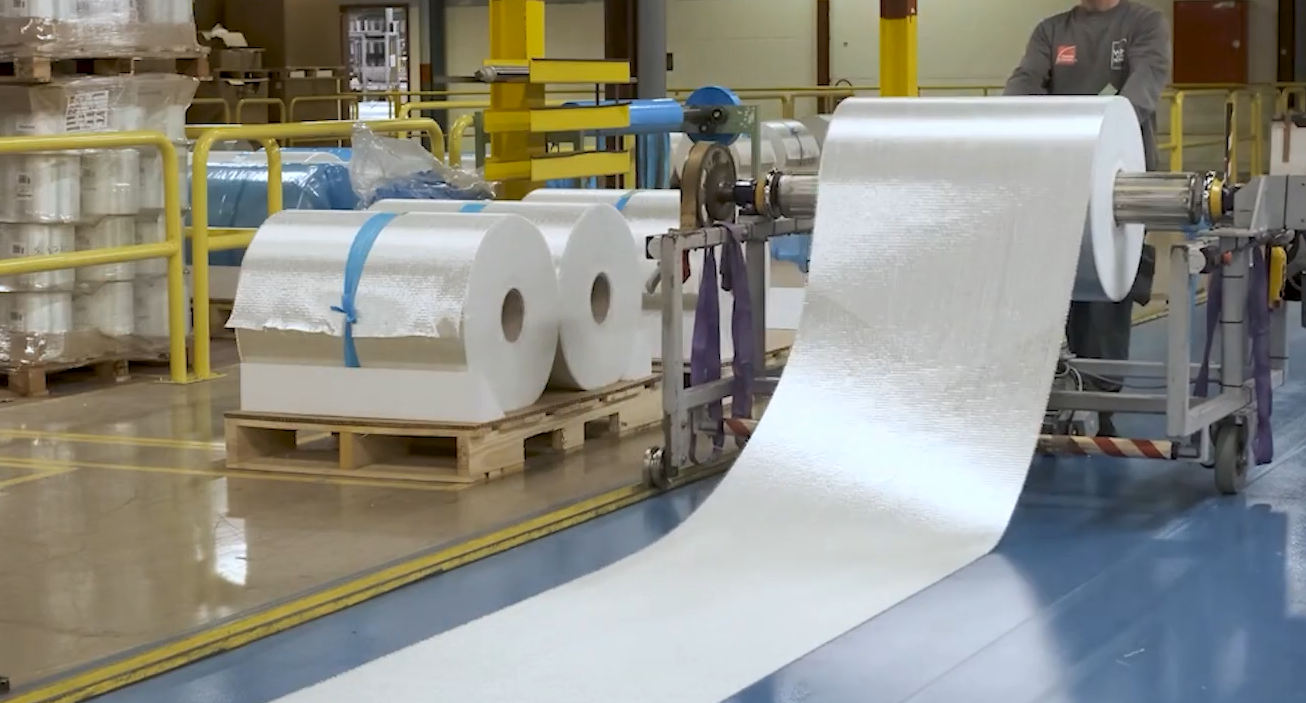
- use of Ultrablade® high-performance glass fabrics;
- cutting and grinding of blades at the end of their life;
- optimisation of the recycling of production and end-of-life waste, in particular by mechanical recycling;
- recovery, remelting and reintegration of glass fibers into the Sustaina® range;
- realization by ENGIE Lab CRIGEN of a life cycle assessment according to ISO standards, covering more than ten environmental indicators.
The thermolysis process achieved an efficiency of more than 75% for the recovery of the Elium® monomer.
Project results and industrial impacts
The ZEBRA project demonstrated the technical feasibility of a recyclable thermoplastic blade and a closed-loop recycling system.
- manufacture of two 1-scale blades, 62 metres and 77 metres;
- manufacture of a blade with a major structural element made from recycled Elium® resin;
- successful recycling of Elium® resin, Bostik adhesive and Ultrablade® fabrics;
- recovery of glass fibers and reintegration into new products;
- Up to 30% reduction in CO₂ emissions per blade through closed-loop recycling, compared to a non-recycled ZEBRA blade.
- validation of the results of the life cycle assessment by a panel of four independent experts;
- confirmation of the environmental benefits and economic viability of the closed-loop system.
These results show that a circular approach can reduce the environmental impact of blade production and limit the use of virgin resources.
 Zebra
Zebra
 Materials
 Process
 Materials
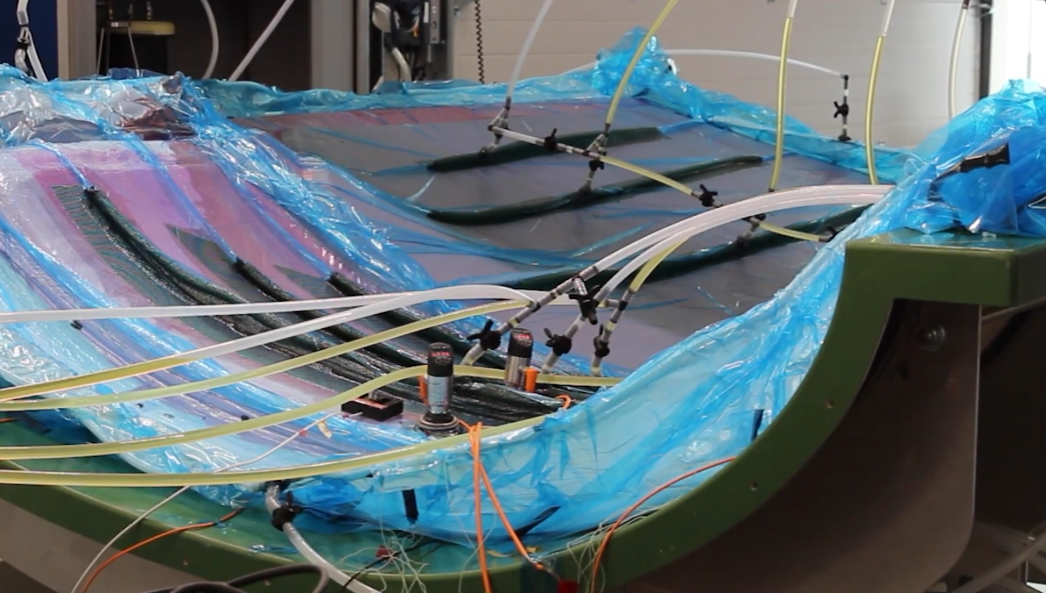 Process
“LM Wind Power has committed to producing carbon-neutral wind turbine blades by 2030. With the support of the ZEBRA project consortium partners, we set up a production line to manufacture thermoplastic blades and demonstrate a closed-loop life cycle. It has been a long journey, with a number of technical challenges that we successfully overcame, ultimately leading to the successful production of two blades.”Find out more
The industrial perspectives for recycable blades
Towards wider implementation
The yield achieved for the Elium® monomer paves the way for larger-scale production of recycled resin. The technical, environmental and economic results provide a basis for the wider adoption of these solutions in the wind industry.
What's next? towards a more circular wind energy
By demonstrating the complete recycling of blade materials and their reformulation into reusable materials, ZEBRA is paving the way for more sustainable management of production waste and end-of-life blades.
You might find this content of interest.
 Expertise
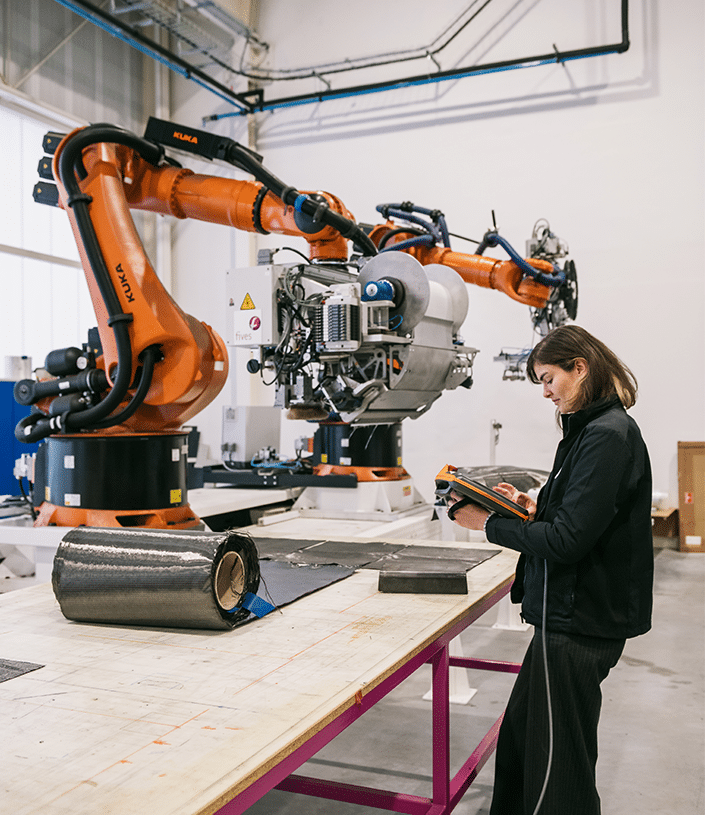
Composite processes
Improve the performance (cost and throughput) of manufacturing processes for complex, lightweight and large structures.
Discover this expertise
Expertise
Composite processes
Improve the performance (cost and throughput) of manufacturing processes for complex, lightweight and large structures.
Discover this expertise
 Offre
France 2030 collaborative R&D projects led by IRT Jules Verne
Find out more about this offer
Offre
France 2030 collaborative R&D projects led by IRT Jules Verne
Find out more about this offer
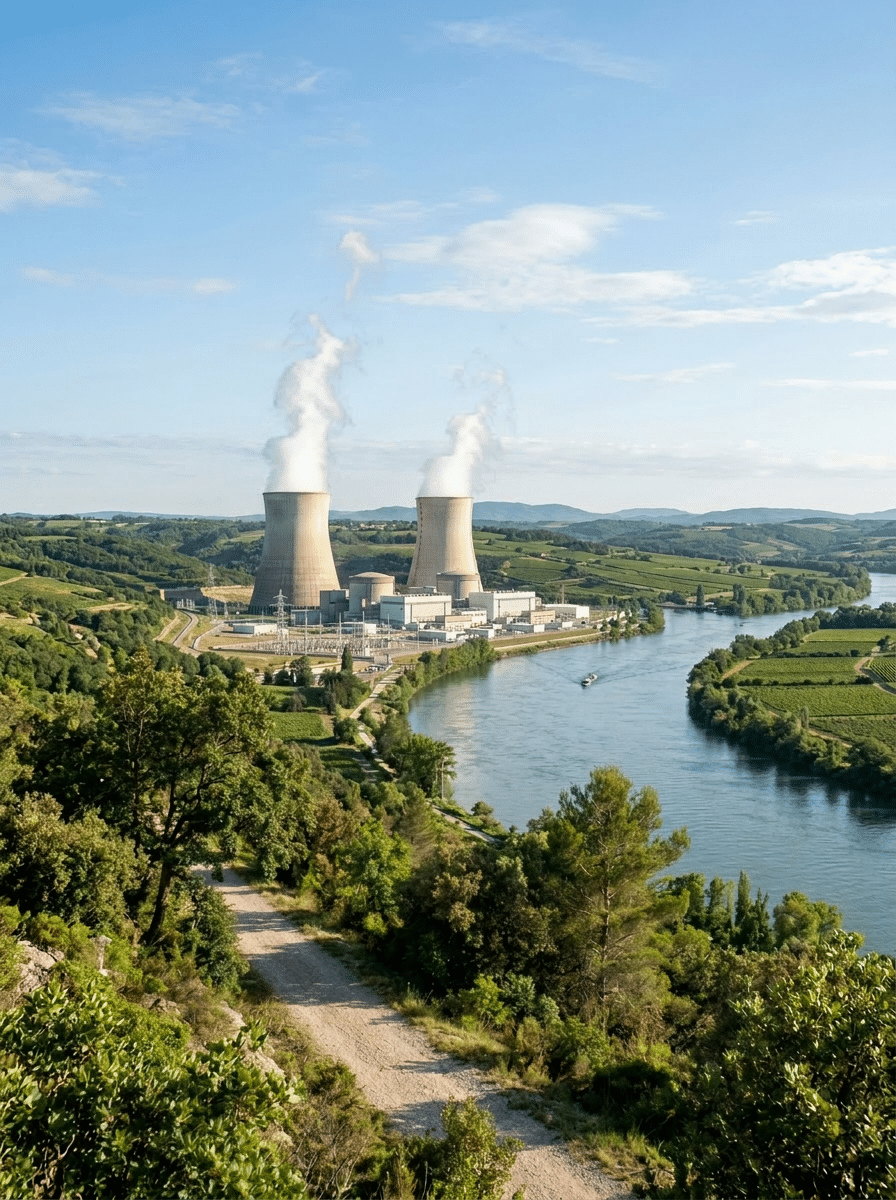 Sector
Energy
Find out more about this course
Sector
Energy
Find out more about this course
Explore more success stories.
 France 2030 Project
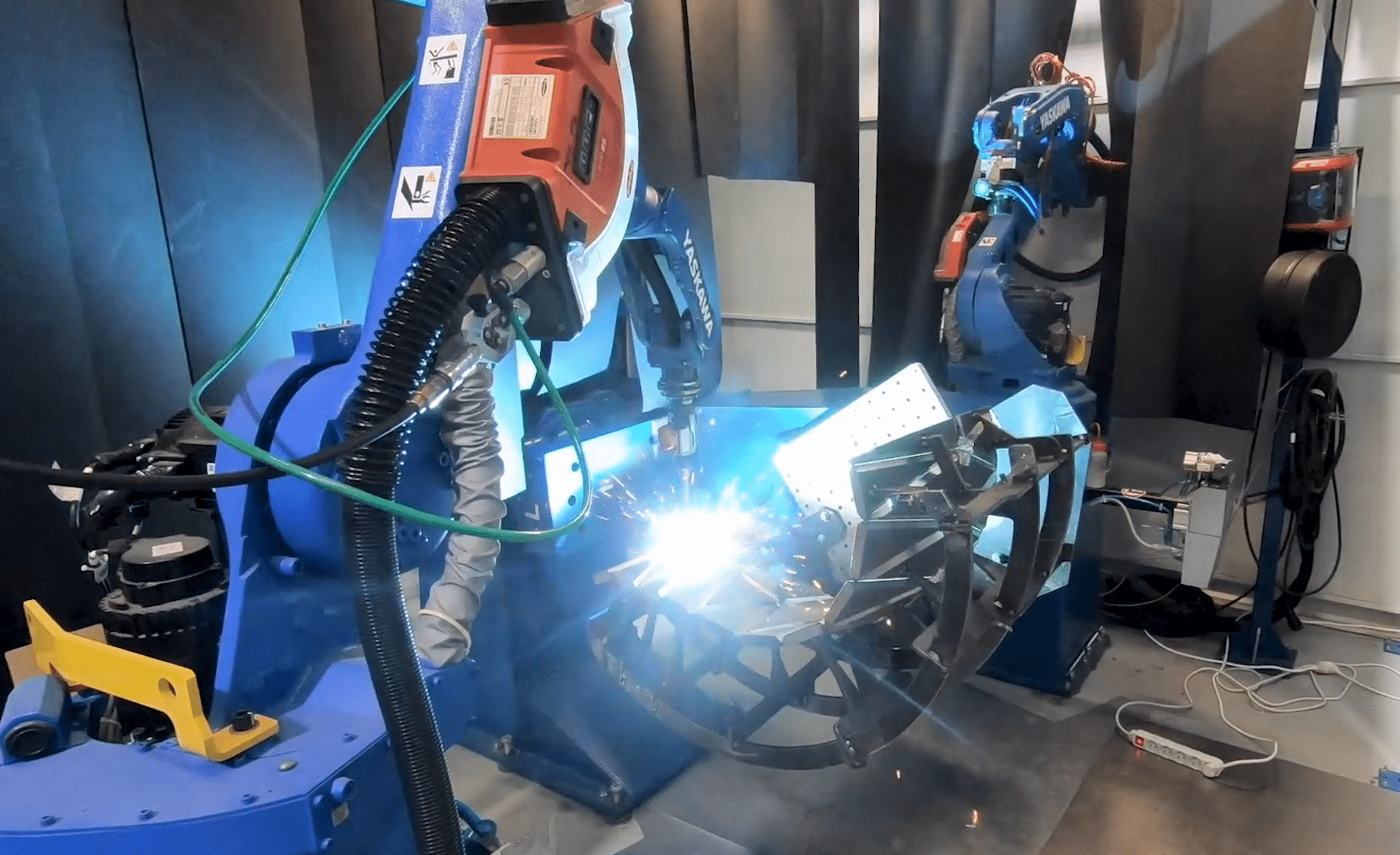
Developing large-scale INVAR® tools without the need for foundry
The ARWEN project combines paver assembly, robotic welding and WAAM additive manufacturing to produce mold blanks for the draping of aeronautical composite materials.
Explore the case study
France 2030 Project
Developing large-scale INVAR® tools without the need for foundry
The ARWEN project combines paver assembly, robotic welding and WAAM additive manufacturing to produce mold blanks for the draping of aeronautical composite materials.
Explore the case study
 France 2030 Project
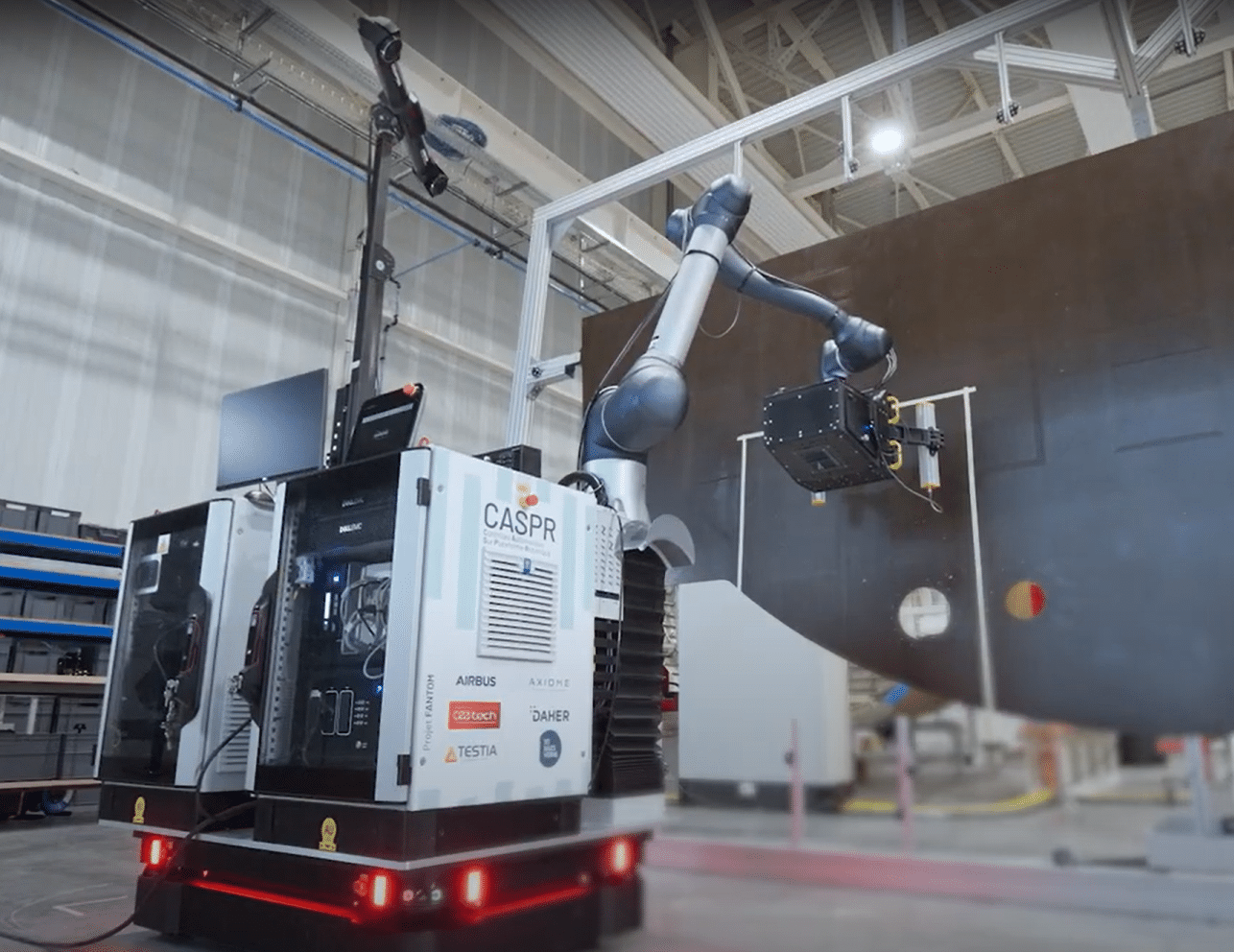
Automating the non-destructive testing of composite parts with an intelligent robotic platform
The FANTOM project is developing a flexible and automated non-destructive testing platform to make the inspection of composite parts more reliable and to support the digital continuity of production lines.
Explore the case study
France 2030 Project
Automating the non-destructive testing of composite parts with an intelligent robotic platform
The FANTOM project is developing a flexible and automated non-destructive testing platform to make the inspection of composite parts more reliable and to support the digital continuity of production lines.
Explore the case study
 France 2030 Project
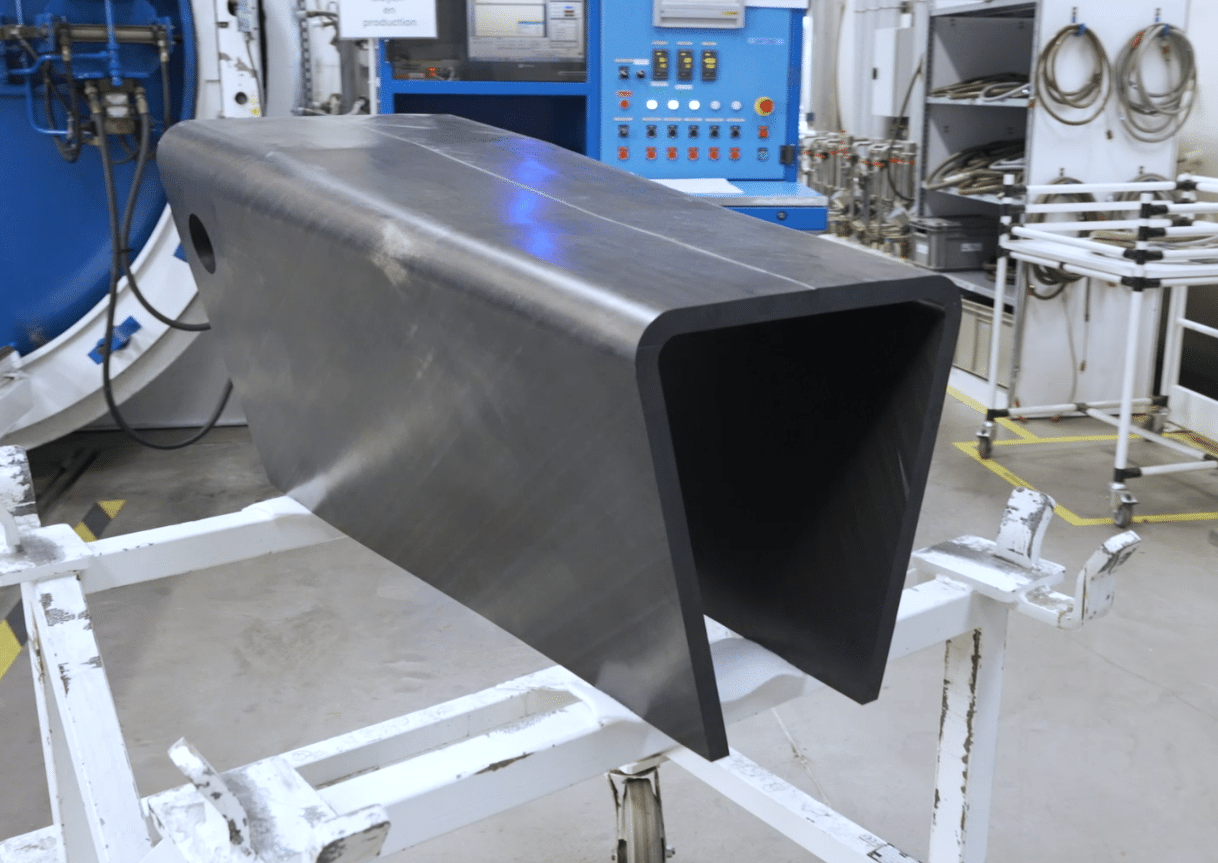
Developing the manufacture of high-thickness thermoplastic composite parts for aeronautics
The MATCH project develops innovative manufacturing, simulation and machining processes to produce high-performance, robust thermoplastic composite parts adapted to the requirements of the aeronautics industry.
Explore the case study
France 2030 Project
Developing the manufacture of high-thickness thermoplastic composite parts for aeronautics
The MATCH project develops innovative manufacturing, simulation and machining processes to produce high-performance, robust thermoplastic composite parts adapted to the requirements of the aeronautics industry.
Explore the case study