
Developing the manufacture of high-thickness thermoplastic composite parts for aeronautics
The MATCH project develops innovative manufacturing, simulation and machining processes to produce high-performance, robust thermoplastic composite parts adapted to the requirements of the aeronautics industry.
 With
With







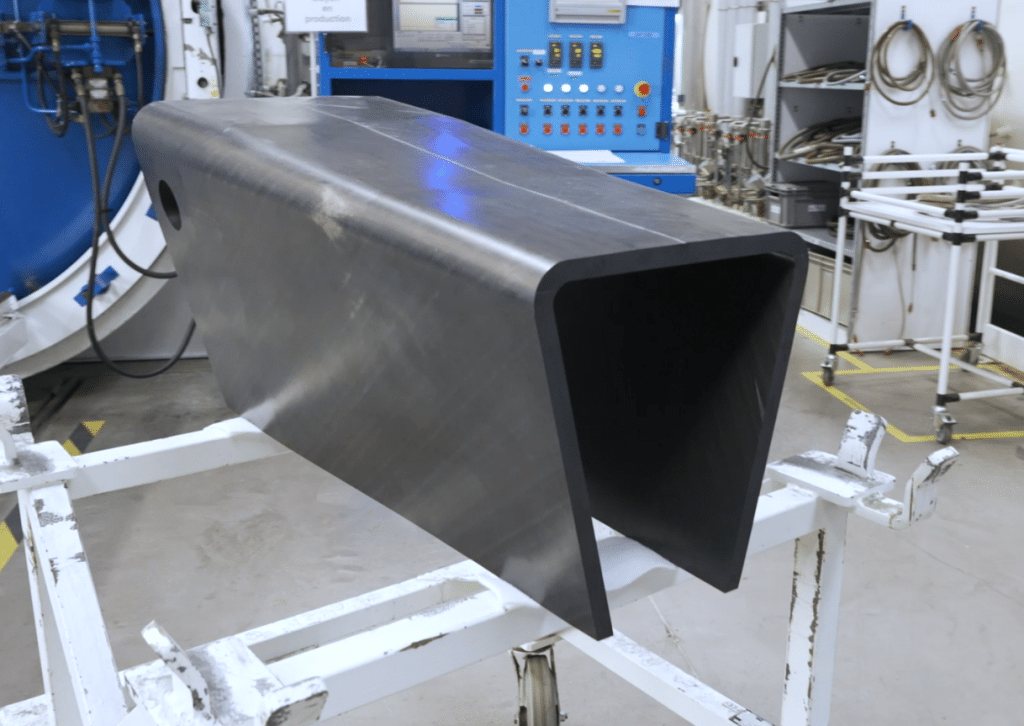
- Led from 2019 to 2022 by IRT Jules Verne with Airbus, Daher, Loiretech, Nantes University (LTeN and LS2N) and ENSAM (LAMPA), the MATCH project aimed to develop a manufacturing and machining process for thermoplastic composite parts with a thick thickness (8 to 35 mm).
- The project aimed to meet the requirements of the aerospace industry by improving performance, manufacturing costs and production rates.
- The work combined process development, numerical simulation and experimental validation to produce representative demonstrators of aeronautical structures.
The industrial challenges of the MATCH project
The aerospace industry is looking for new solutions to reduce production costs while maintaining a high level of mechanical performance.
Thermoplastic composites represent a promising alternative thanks to their many advantages:
- functionalization possibilities (assembly or overmolding);
- good structural performance;
- better environmental prospects, especially in terms of recycling.
However, the manufacture of high-thickness thermoplastic composite parts still presents several industrial challenges:
- master the manufacture of large parts with complex geometry;
- guarantee the quality of the parts produced;
- improve manufacturing rates;
- control distortion phenomena after consolidation;
- optimize machining processes.
The MATCH project responds to these challenges by developing industrial solutions adapted to future aeronautical structures.
Technologies developed for the manufacture of thermoplastic composites
The MATCH project has made it possible to develop several complementary technological building blocks covering the entire manufacturing chain:
- development of AFP (Automated Fiber Placement) strategies that meet the challenges of speed and quality;
- gap and overlap defect detection and associated data analysis;
- consolidation of parts using stand-alone tooling.
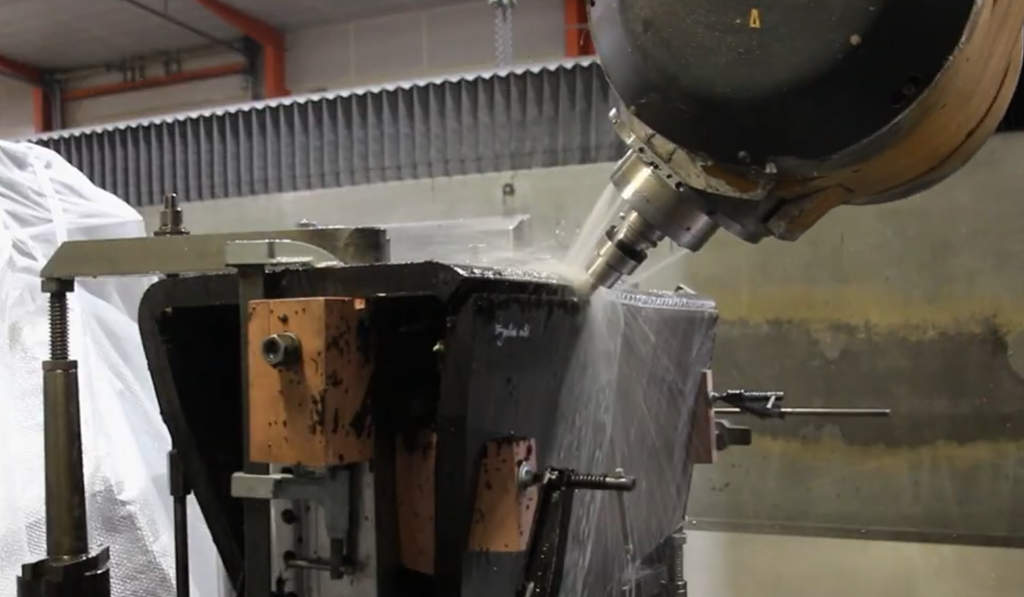
- optimization of machining parameters and development of an analytical model;
- development of a multiphysics model to predict distortions after consolidation;
- production of a ButtStrap demonstrator that complies with material health requirements.
The project also enabled IRT Jules Verne to strengthen its skills in digital chaining, thermo-elastic modelling and the consolidation of high-thickness thermoplastic composites, while acquiring strategic equipment dedicated to these processes.
Project results and industrial impacts
The MATCH project demonstrated the value of using thermoplastic composites for future aircraft structures.
The work carried out made it possible to:
- manufacture thermoplastic composite parts with complex geometry, large dimensions and thickness.
- to build a representative engine mast demonstrator and a sail joint bar;
- achieve a 20% weight saving compared to a titanium solution.
- achieve a Buy-to-Fly of 1.1, demonstrating the environmental benefits of the process;
- to remove several technological barriers related to the manufacture and simulation of thermoplastic composite parts.
These results allow the project partners to strengthen their technological lead in the development of thermoplastic composite solutions for future generations of aircraft.
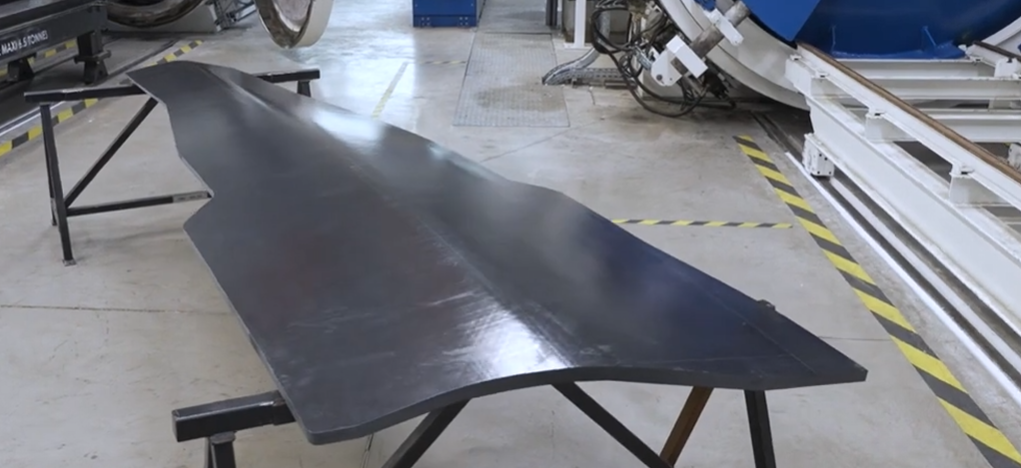 Buttstrap
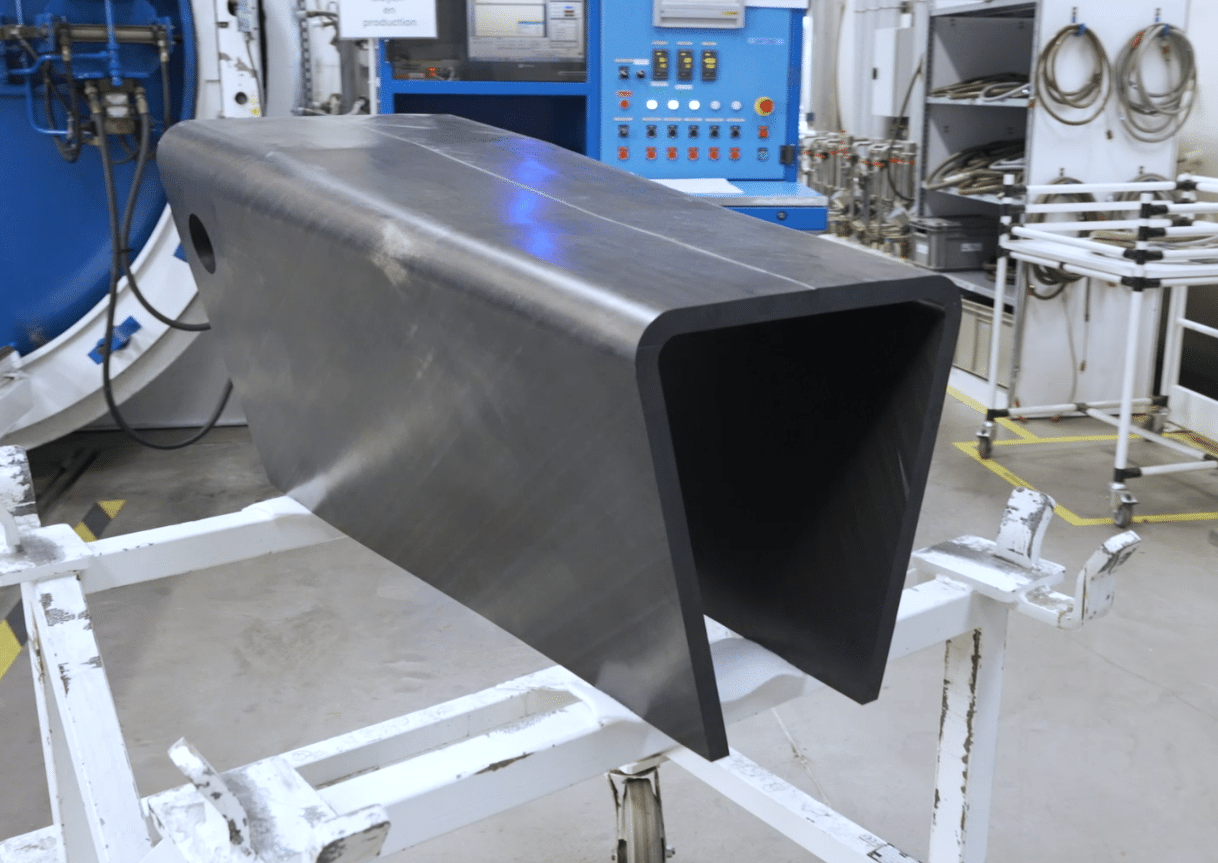 Pylon
Pylon
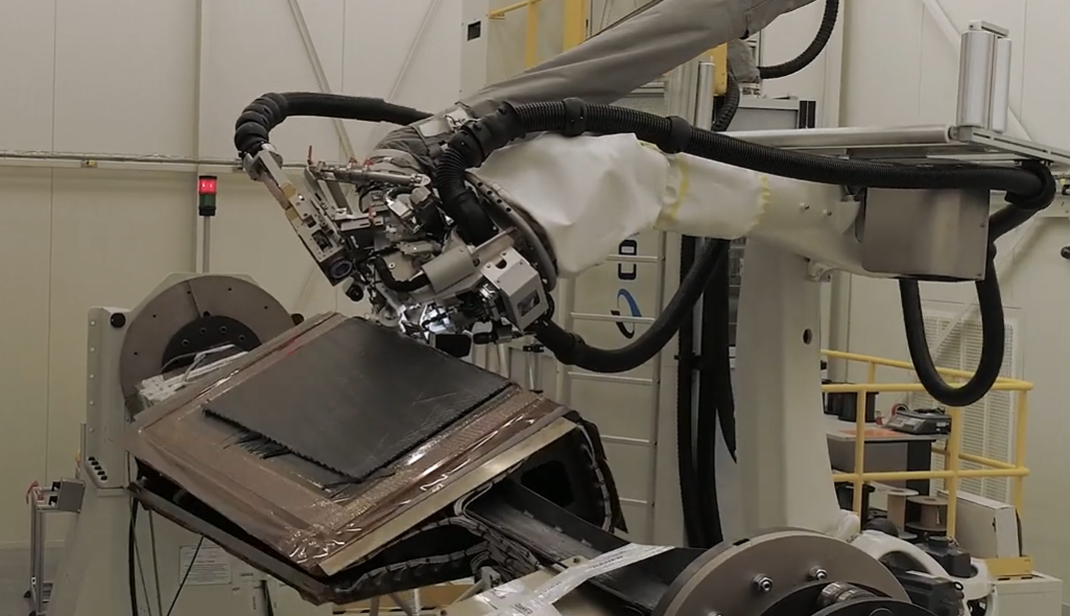 AFP process
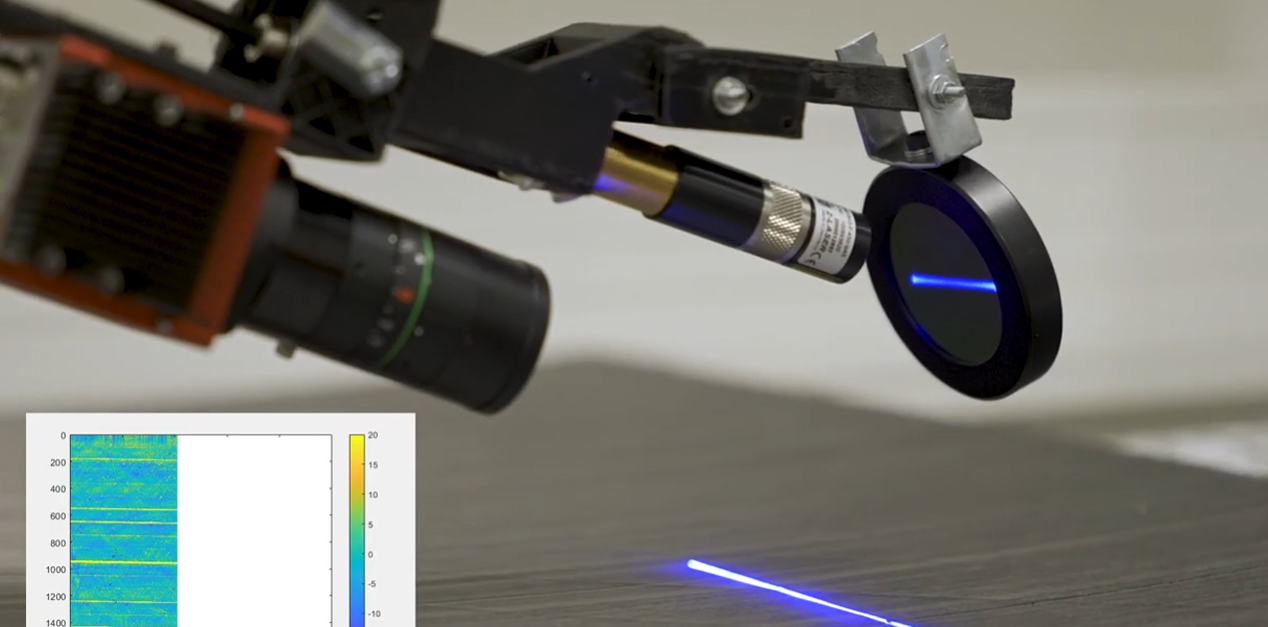 Control
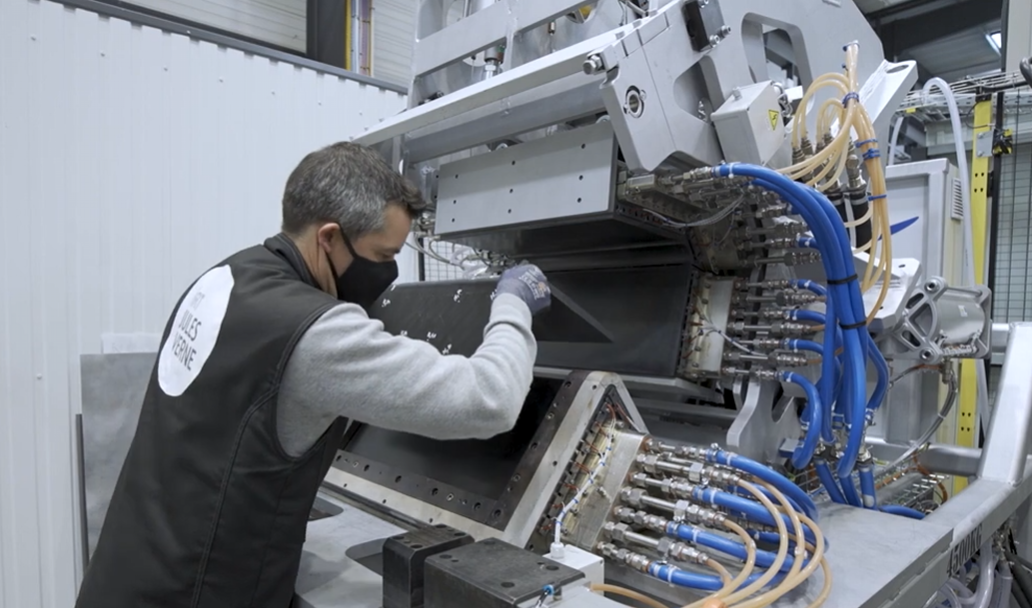 Consolidation
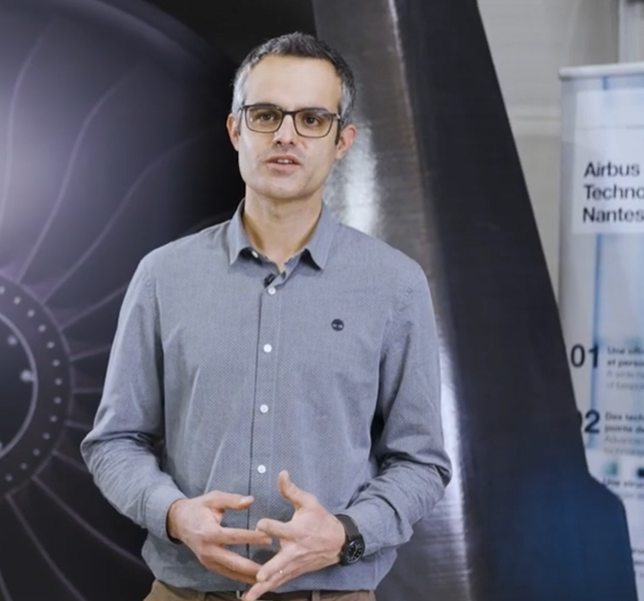
“The MATCH project has achieved results that went beyond our initial expectations, with a 20% weight reduction, which is particularly significant for this type of structure and component. It also paves the way for a very low scrap rate, around 10%, compared with what we currently see for metallic parts.”Find out more

“Overall, the outcome of the MATCH project has been extremely positive, particularly thanks to the successful production of the project’s various demonstrators. Achieving these demonstrators is a real first, given the thicknesses involved. We are talking about 196 plies using these new thermoplastic composite materials.”Find out more
Industrial perspectives of thermoplastic composites
Applications for future aircraft structures
The solutions developed in the MATCH project pave the way for the wider use of thermoplastic composites in aeronautical primary structures.
The processes developed meet the needs of manufacturing large, thick parts with high mechanical performance, while integrating the industrial, economic and environmental constraints of the sector.
What's next? with the MATCHII project
As a continuation of the work carried out, the MATCH II project, launched in October 2022, continues the development of manufacturing processes for thermoplastic composite parts for aeronautical primary structures.
Two areas of development have been identified:
- optimize the draping by fiber placement machine while controlling the material health and geometry of the parts;
- Continue the development of simulation and control tools in order to finalize the development of the process.
You might find this content of interest.
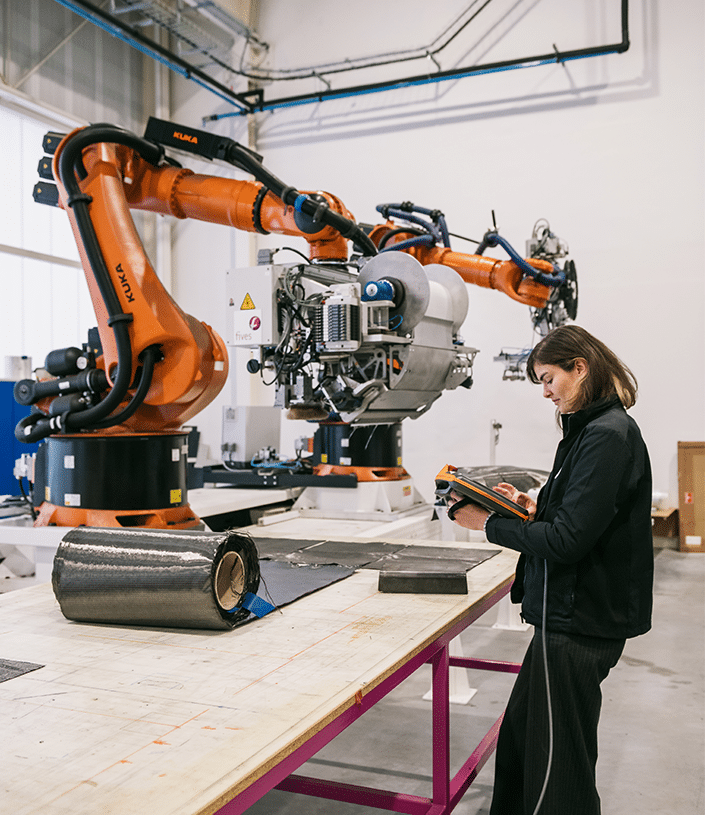 Expertise
Composite processes
Improve the performance (cost and throughput) of manufacturing processes for complex, lightweight and large structures.
Discover this expertise
Expertise
Composite processes
Improve the performance (cost and throughput) of manufacturing processes for complex, lightweight and large structures.
Discover this expertise
 Offre
France 2030 collaborative R&D projects led by IRT Jules Verne
Find out more about this offer
Offre
France 2030 collaborative R&D projects led by IRT Jules Verne
Find out more about this offer
 Sector
Aeronautics
Find out more about this course
Sector
Aeronautics
Find out more about this course
Explore more success stories.
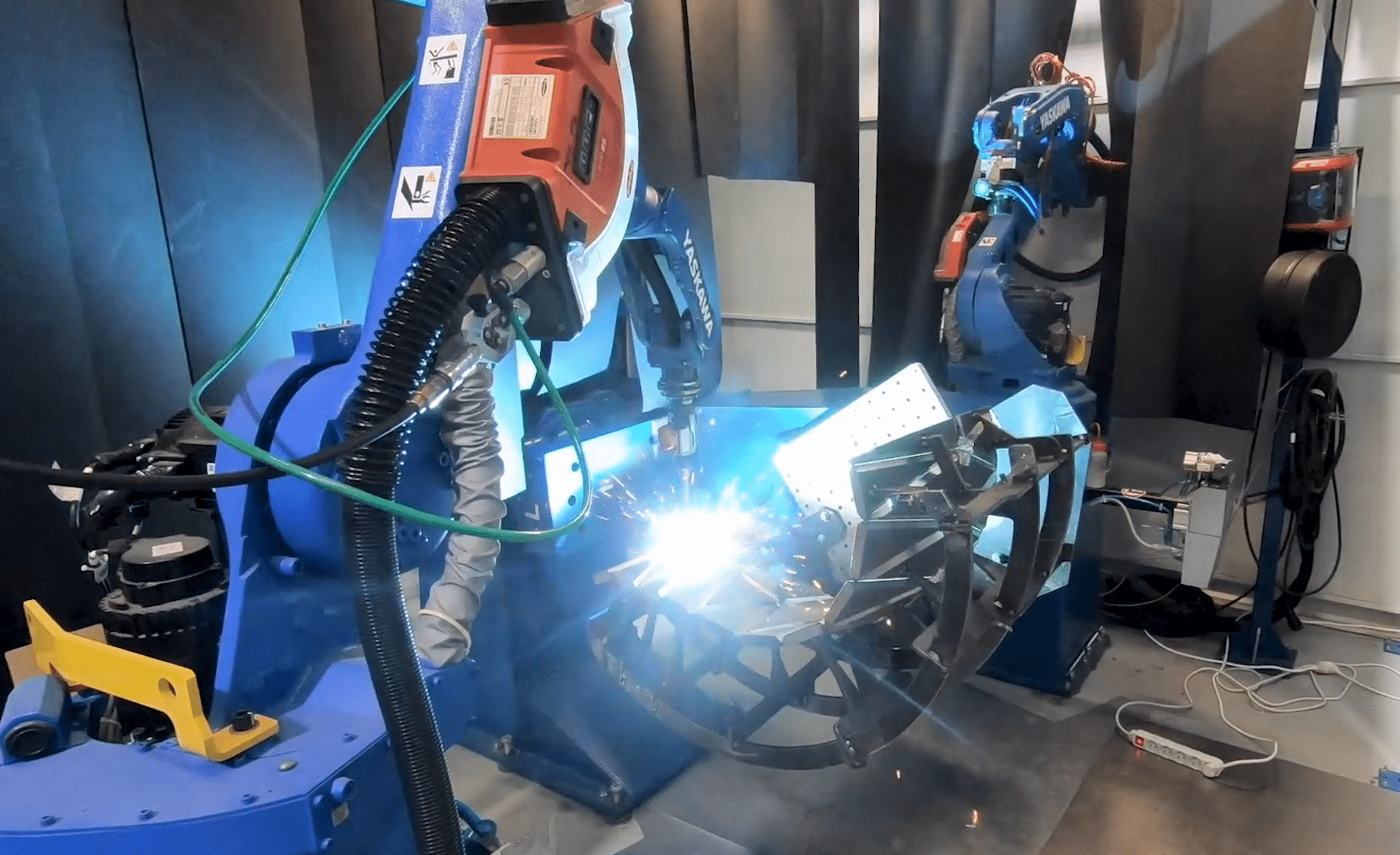 France 2030 Project
Developing large-scale INVAR® tools without the need for foundry
The ARWEN project combines paver assembly, robotic welding and WAAM additive manufacturing to produce mold blanks for the draping of aeronautical composite materials.
Explore the case study
France 2030 Project
Developing large-scale INVAR® tools without the need for foundry
The ARWEN project combines paver assembly, robotic welding and WAAM additive manufacturing to produce mold blanks for the draping of aeronautical composite materials.
Explore the case study
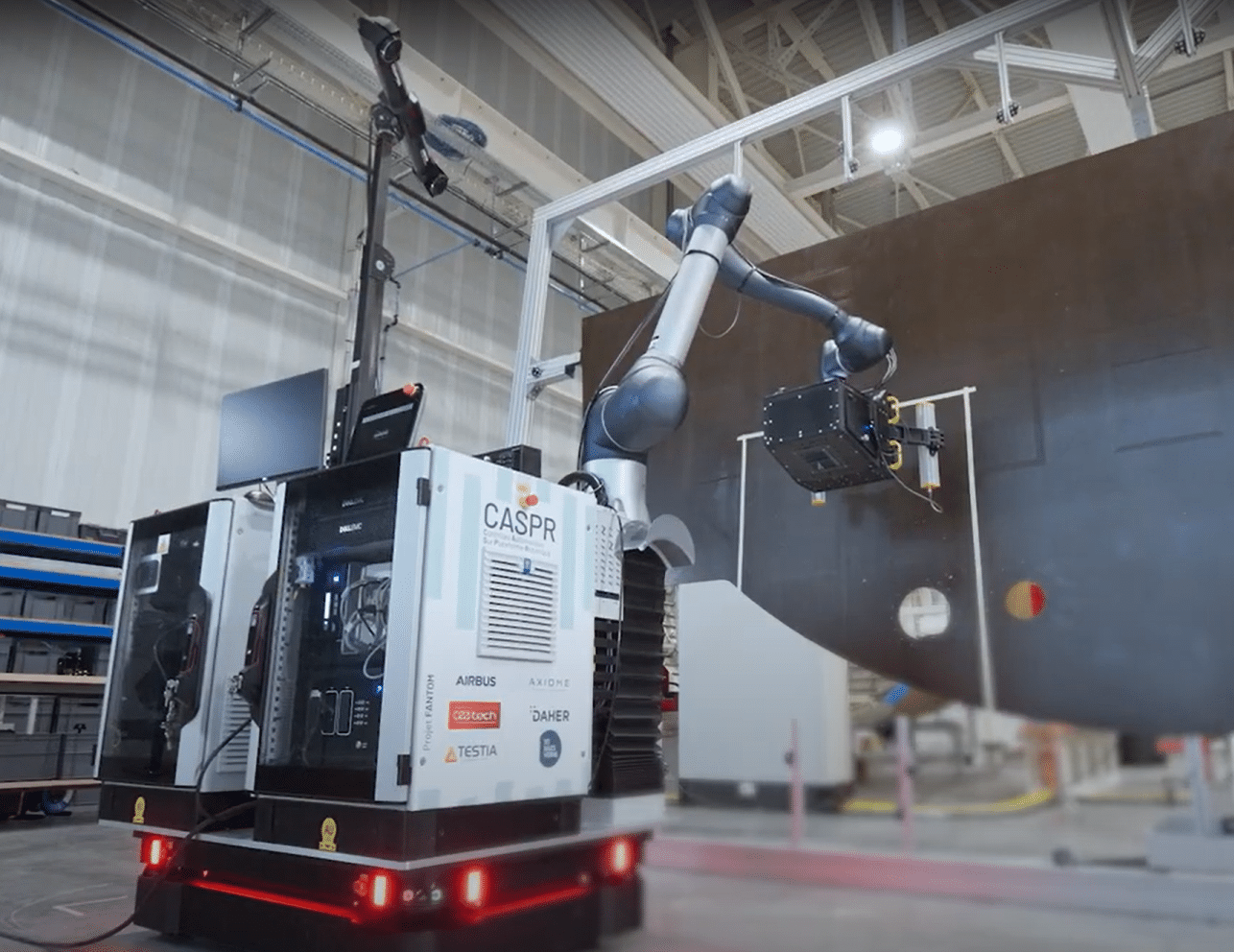 France 2030 Project
Automating the non-destructive testing of composite parts with an intelligent robotic platform
The FANTOM project is developing a flexible and automated non-destructive testing platform to make the inspection of composite parts more reliable and to support the digital continuity of production lines.
Explore the case study
France 2030 Project
Automating the non-destructive testing of composite parts with an intelligent robotic platform
The FANTOM project is developing a flexible and automated non-destructive testing platform to make the inspection of composite parts more reliable and to support the digital continuity of production lines.
Explore the case study
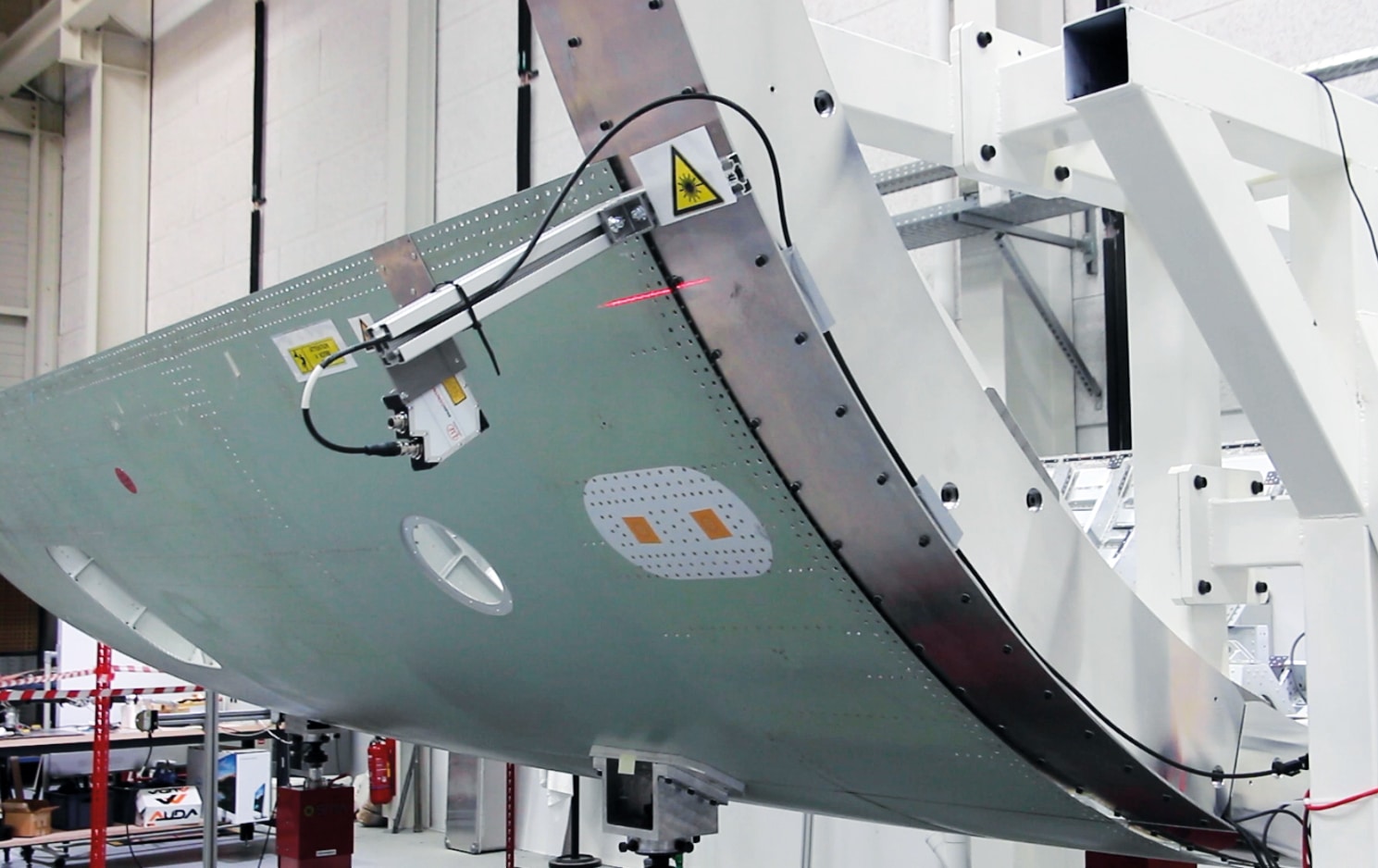 France 2030 Project
Automating the Precise Assembly of Large Structures with Continuous Servo Control
HAPPY and HAPPY2 projects develop lightweight and flexible positioners, driven by local or global measurements, to handle and position large parts in the aeronautics and naval defense industries.
Explore the case study
France 2030 Project
Automating the Precise Assembly of Large Structures with Continuous Servo Control
HAPPY and HAPPY2 projects develop lightweight and flexible positioners, driven by local or global measurements, to handle and position large parts in the aeronautics and naval defense industries.
Explore the case study