Developing large-scale INVAR® tools without the need for foundry
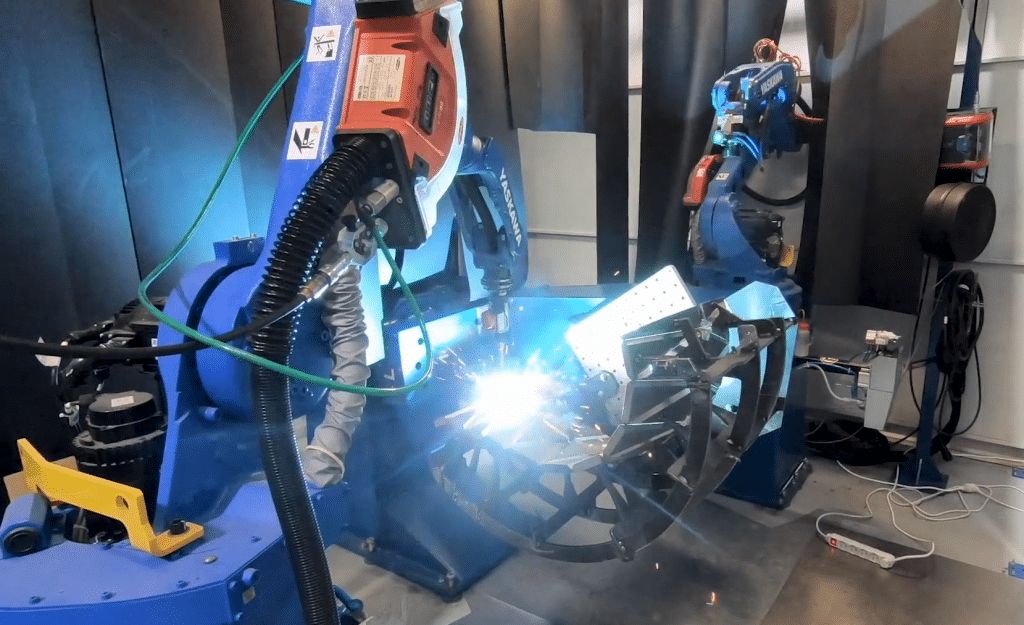
The ARWEN project combines paver assembly, robotic welding and WAAM additive manufacturing to produce mold blanks for the draping of aeronautical composite materials.
 With
With


- Carried out from March 2018 to May 2021 by IRT Jules Verne with Airbus, Aperam, Dassault Aviation and Loiretech, the ARWEN project aimed to develop an alternative process to the foundry to produce large-scale mould blanks for the draping of composite materials.
- The solution is based on a hybrid process combining paving stones assembled by robotic welding and WAAM additive manufacturing to produce INVAR® shells with a non-developable surface. The budget for the project is €2,700k.
The industrial challenges of the ARWEN Project
The project is part of a context of increasing industrial production rates and the growing use of composite materials in aeronautics. Tooling made by foundries can generate non-quality, long lead times and high costs.
- to propose an alternative to the foundry process;
- avoid non-quality issues associated with raw mussels;
- reduce manufacturing and procurement times.
- reduce the cost of tools;
- increase the supply possibilities of INVAR® tooling;
- enable the modification or repair of tooling by additive manufacturing.
ARWEN thus aims to secure the availability of large-scale tools while bringing back some of the added value at Loiretech.
Technologies developed for invar tooling
The project developed and validated several technological building blocks necessary for the realization of the hybrid process:
- a discretization algorithm to determine the blocks constituting the surface of the tooling;
- optimization tools coupled with welding modeling software to minimize deformation;
- coupling with the discretization algorithm in order to minimize the cost under business constraints;
- robotic strategies for paver positioning, welding and additive manufacturing trajectories;
- welding and additive manufacturing process parameters;
- the strengthening of skills in robotic welding, WAAM additive manufacturing, optimization and understanding of the physical phenomena related to the MAG process;
- the acquisition of a WAAM robotic welding and additive manufacturing cell.
The work led to the validation of generic bricks on several paving stones, to the creation of a representative "angle" demonstrator and then a "1 m² shell" demonstrator.
Project results and industrial impacts
The results of the project are presented as very encouraging and offer an improved alternative to the foundry for the production of tool blanks.
- improvement in the quality of the crude oil produced, with a sharp reduction in rework times due to non-quality;
- a five-fold reduction in manufacturing and supply time;
- lower manufacturing cost;
- provision of a scale 1 industrial facility at Loiretech;
- possibility of modifying or repairing tooling by additive manufacturing;
- re-internalization of added value at Loiretech by limiting subcontracting to foundries.
At the end of the project, the accurate assessment of the economic impact was still considered premature, but the quality and time gains were already established.
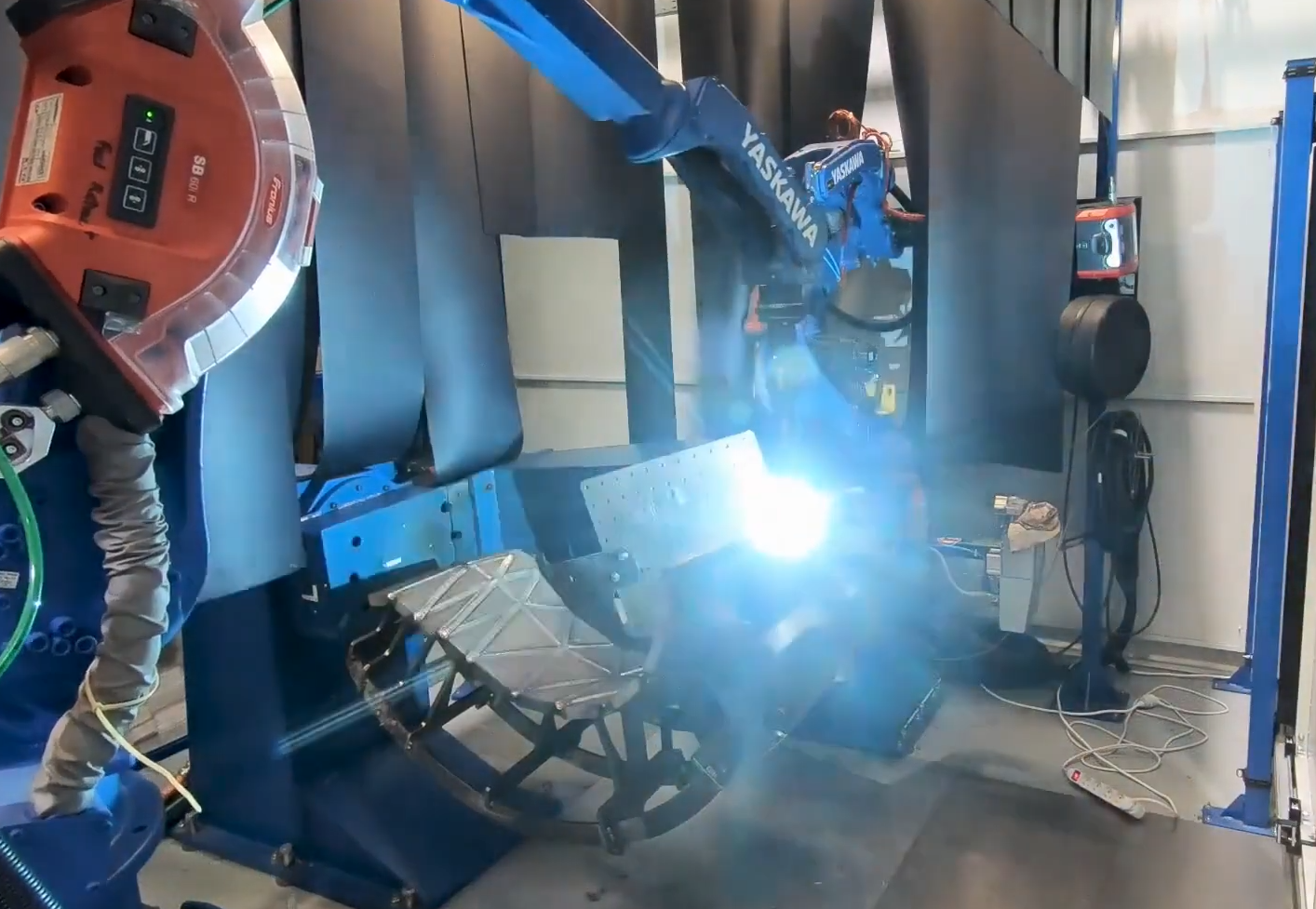 Metalic process
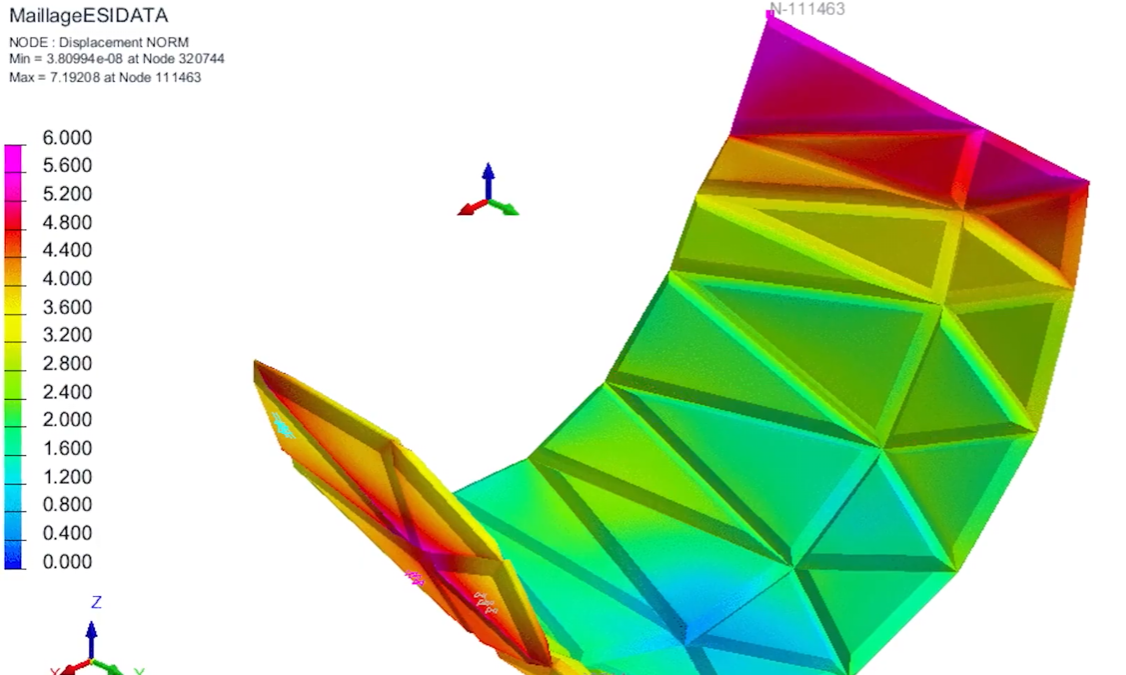 Simulation
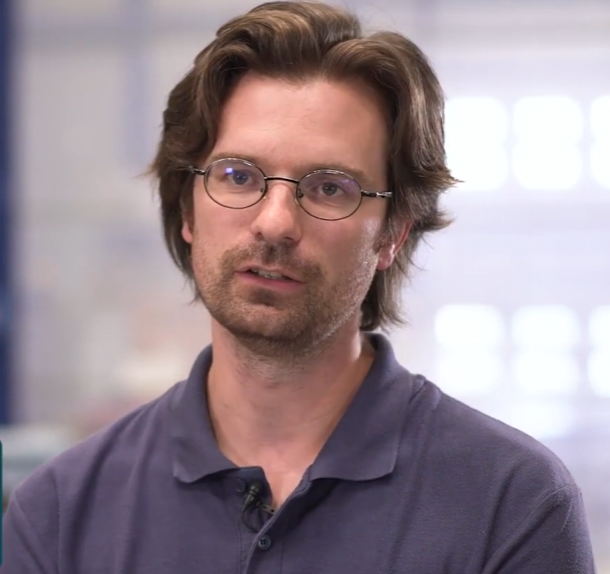
“In this project, we are replacing a casting process with a welded fabrication process combined with additive manufacturing, with the aim of responding more quickly to our customers while delivering higher-quality tooling. Working with IRT Jules Verne has been very smooth. The team is highly professional, always looking for solutions and proactively suggesting new approaches. The project resulted in two demonstrators whose shapes and geometries are very close to the parts and tooling we deliver to our customers.”Find out more
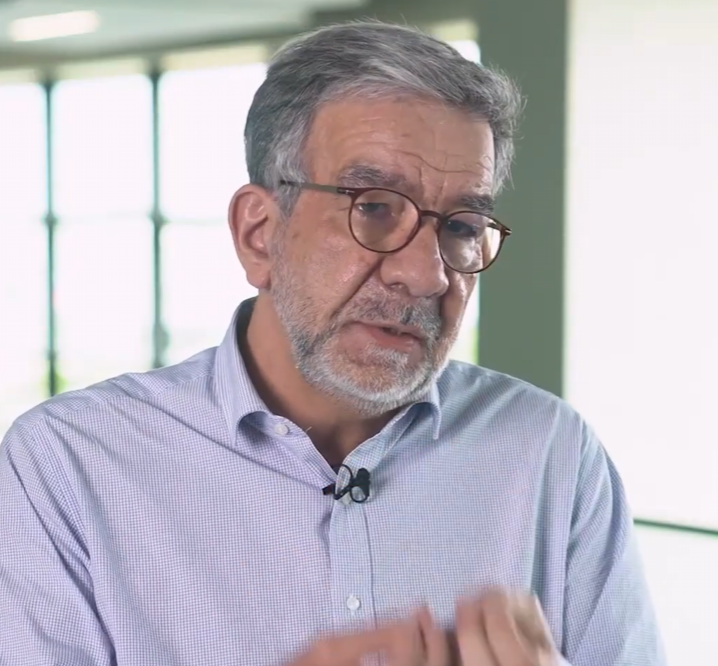
“If we want to keep manufacturing in France, we need to find solutions that enable us, as industrial companies, as well as our subcontractors, to remain competitive and provide us with high-quality tooling. At IRT Jules Verne, the teams are pragmatic and have a strong understanding of the industrial challenges we face. I know they will bring together all the scientific expertise and human resources needed to deliver on their commitments.”Find out more
The industrial perspectives for hybrid tooling
Towards 100% additive manufacturing applications
The IRT Jules Verne also aims to continue work on applications carried out entirely by additive manufacturing.
What's next? Towards industrial-scale validation
Loiretech and IRT Jules Verne continued the development of the technology in the European project INTEGRADDE, alongside 26 European partners, for a budget of 17 million euros. This extension aims to move to industrial scale 1 and identify new barriers related to the change of scale.
You might find this content of interest.
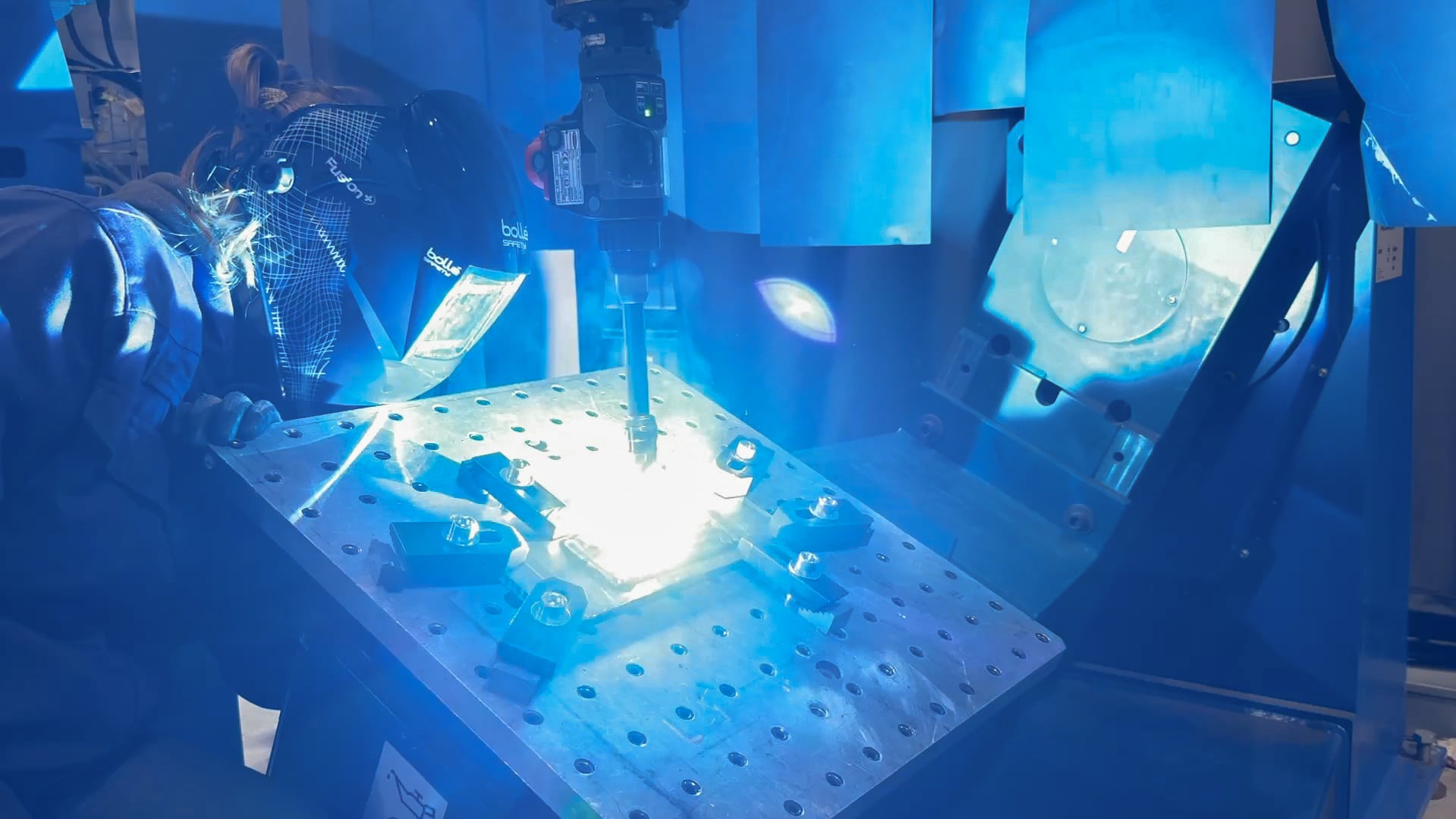 Expertise
Metallic materials processes
Industrialize additive manufacturing technologies (DED-fil and AFSD) and automate welding assembly (Arc and FSW) by improving productivity and quality.
Discover this expertise
Expertise
Metallic materials processes
Industrialize additive manufacturing technologies (DED-fil and AFSD) and automate welding assembly (Arc and FSW) by improving productivity and quality.
Discover this expertise
 Offre
France 2030 collaborative R&D projects led by IRT Jules Verne
Find out more about this offer
Offre
France 2030 collaborative R&D projects led by IRT Jules Verne
Find out more about this offer
 Sector
Aeronautics
Find out more about this course
Sector
Aeronautics
Find out more about this course
Explore more success stories.
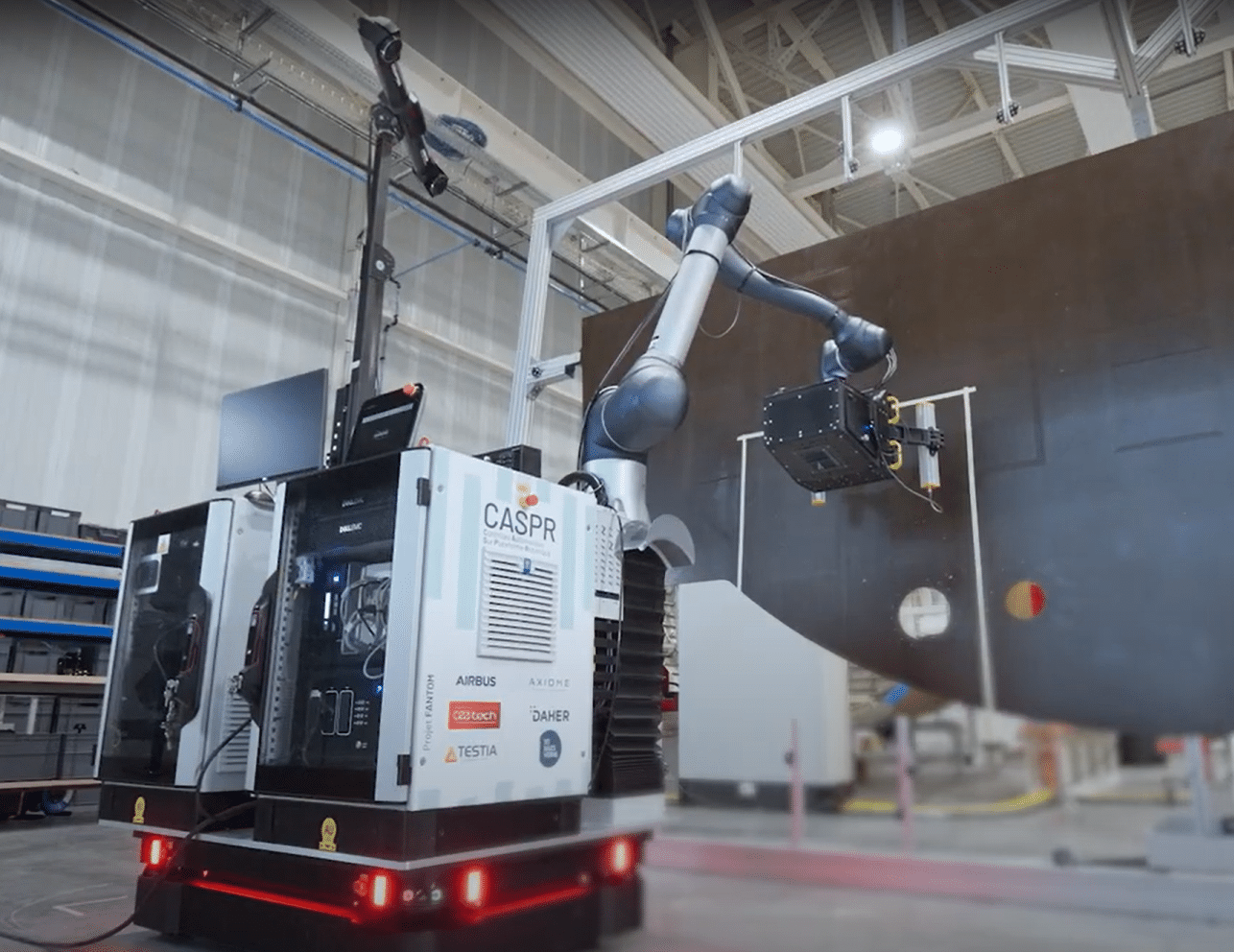 France 2030 Project
Automating the non-destructive testing of composite parts with an intelligent robotic platform
The FANTOM project is developing a flexible and automated non-destructive testing platform to make the inspection of composite parts more reliable and to support the digital continuity of production lines.
Explore the case study
France 2030 Project
Automating the non-destructive testing of composite parts with an intelligent robotic platform
The FANTOM project is developing a flexible and automated non-destructive testing platform to make the inspection of composite parts more reliable and to support the digital continuity of production lines.
Explore the case study
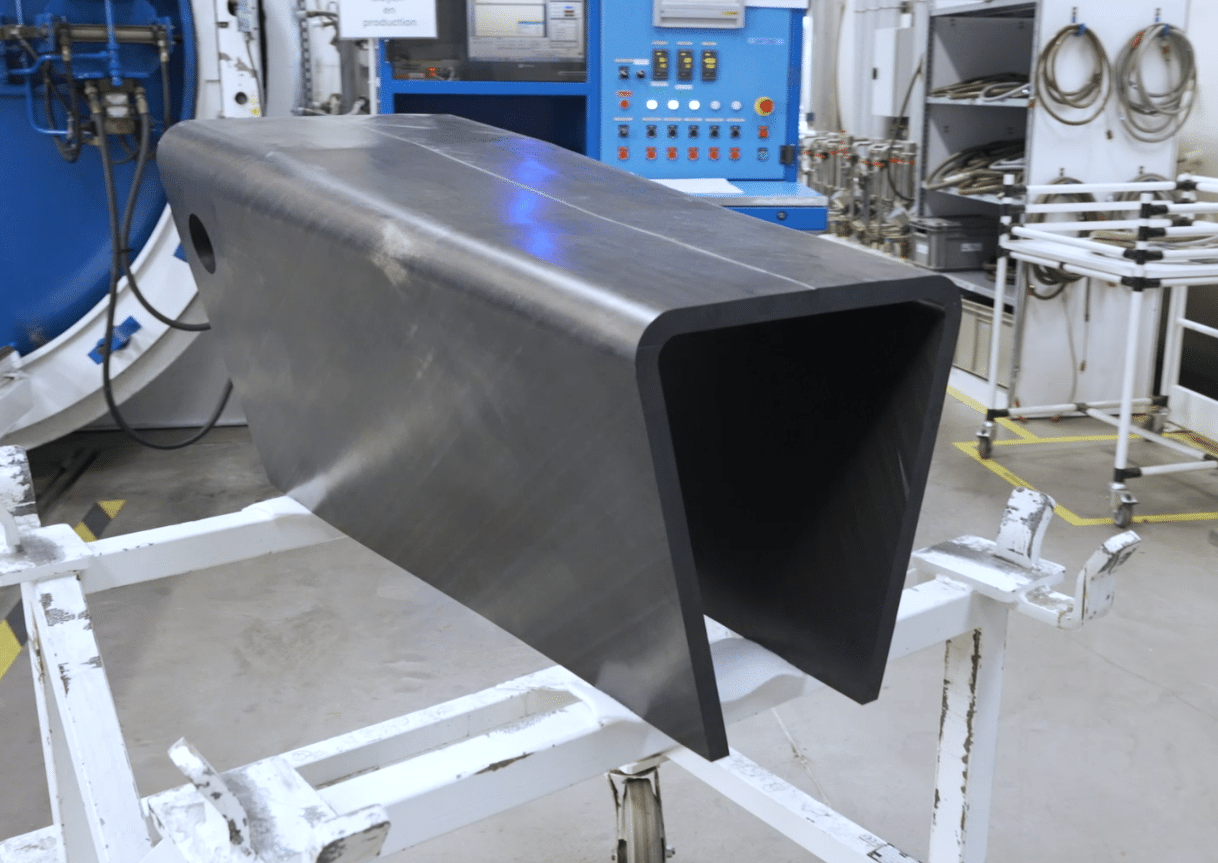 France 2030 Project
Developing the manufacture of high-thickness thermoplastic composite parts for aeronautics
The MATCH project develops innovative manufacturing, simulation and machining processes to produce high-performance, robust thermoplastic composite parts adapted to the requirements of the aeronautics industry.
Explore the case study
France 2030 Project
Developing the manufacture of high-thickness thermoplastic composite parts for aeronautics
The MATCH project develops innovative manufacturing, simulation and machining processes to produce high-performance, robust thermoplastic composite parts adapted to the requirements of the aeronautics industry.
Explore the case study
 France 2030 Project
Automating the Precise Assembly of Large Structures with Continuous Servo Control
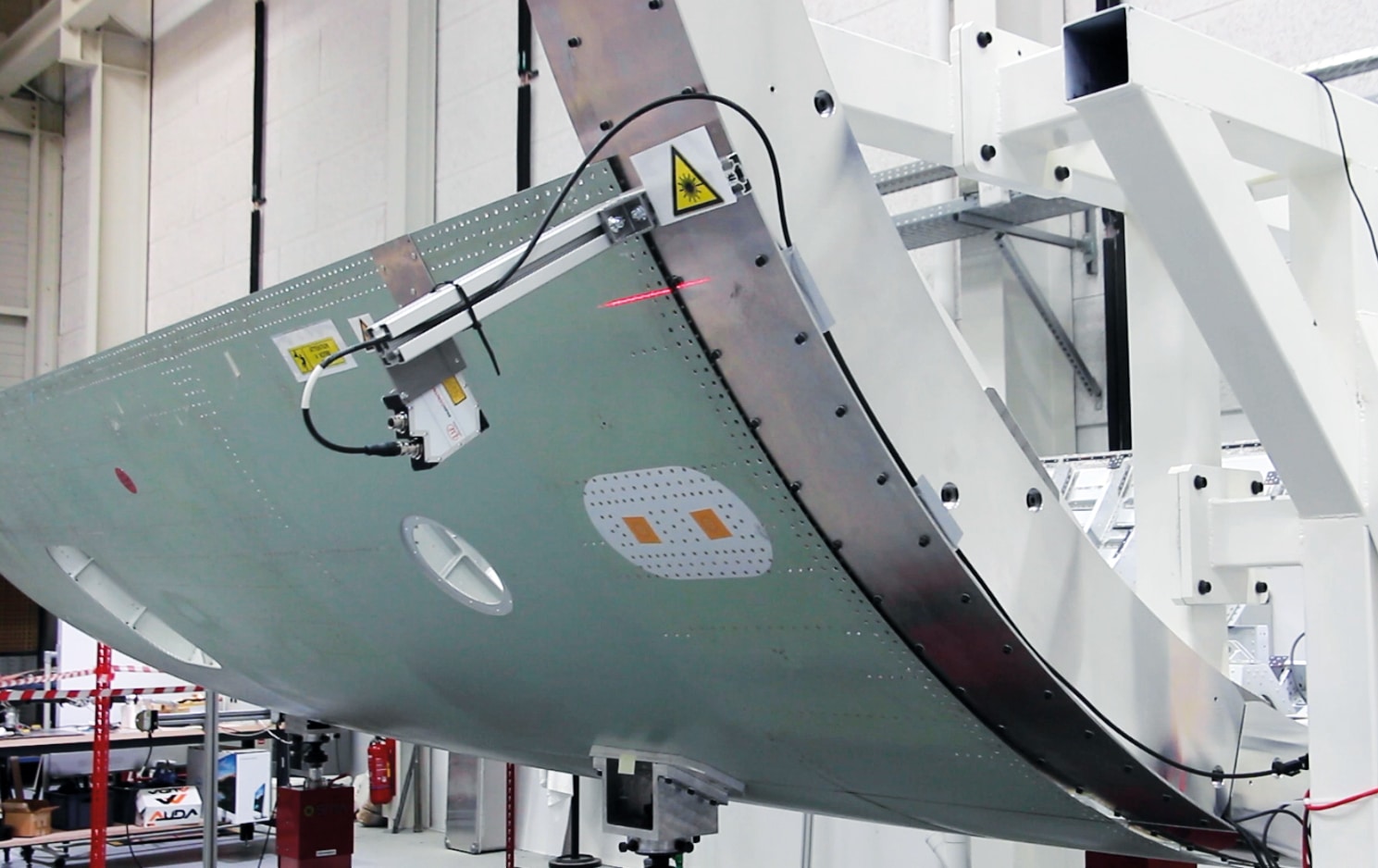
HAPPY and HAPPY2 projects develop lightweight and flexible positioners, driven by local or global measurements, to handle and position large parts in the aeronautics and naval defense industries.
Explore the case study
France 2030 Project
Automating the Precise Assembly of Large Structures with Continuous Servo Control
HAPPY and HAPPY2 projects develop lightweight and flexible positioners, driven by local or global measurements, to handle and position large parts in the aeronautics and naval defense industries.
Explore the case study